
Blog
What is HDPE Double Wall Corrugated Pipe?
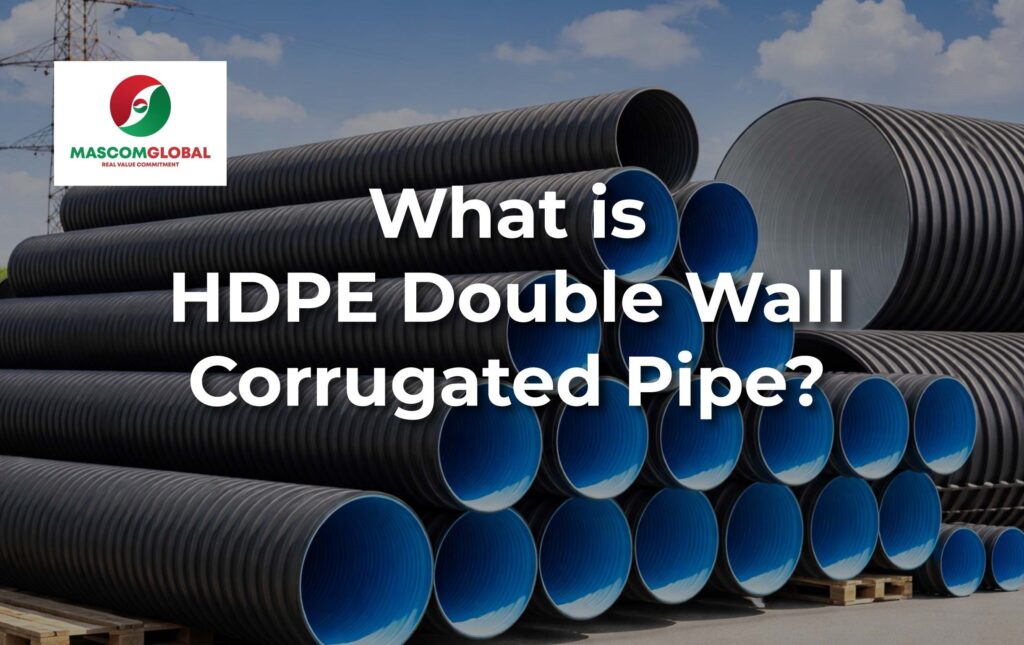
Defining HDPE Double Wall Corrugated Pipe
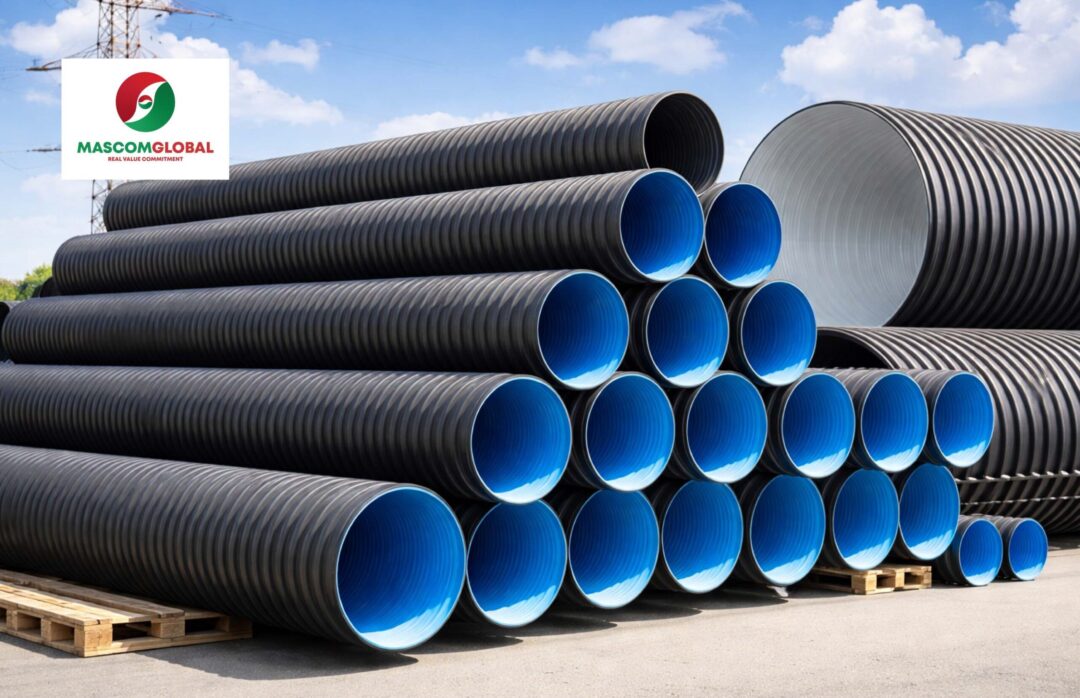
(Illustrative purpose only)
HDPE double wall corrugated pipe is a sophisticated piping product manufactured through a continuous co-extrusion process. Its defining characteristic is a dual-wall structure: an outer corrugated wall and a smooth inner wall. The exterior corrugations provide a high strength-to-weight ratio and exceptional ring stiffness (SN4, SN8, or higher), allowing the pipe to support significant soil loads and vehicular traffic. Simultaneously, the interior wall is perfectly smooth, creating a hydraulic environment that minimizes friction and prevents the accumulation of sediment.
This structural synergy allows the pipe to remain lightweight and flexible while maintaining the rigid integrity required for deep-fill underground installations. Unlike traditional rigid pipes made of concrete or clay, HDPE pipes are designed to interact with the surrounding soil, creating a composite soil-pipe system that distributes loads more efficiently.
Technical Advantages and Structural Benefits
The widespread transition from legacy materials to HDPE double wall corrugated pipes is driven by several critical performance factors:
- Chemical and Corrosion Resistance: HDPE is chemically inert, making it immune to the corrosive effects of acids, alkalis, and salts commonly found in industrial effluents and aggressive soil conditions. It does not rust, rot, or support biological growth, ensuring a design life exceeding 50 to 100 years.
- Superior Hydraulic Performance: The smooth interior surface results in a very low Manning’s roughness coefficient (typically approx 0.009 to 0.010). This allows for higher flow velocities at lower slopes, reducing the depth of excavation required and significantly lowering long-term maintenance costs by preventing clogging.
- Mechanical Resilience and Flexibility: These pipes possess high impact strength and can withstand extreme temperature fluctuations without becoming brittle. Their inherent flexibility allows them to absorb ground movements, seismic shifts, and vibrations from heavy machinery without cracking — a common failure point in rigid concrete piping.
- Watertight Joint Integrity: Modern HDPE corrugated pipes utilize advanced bell-and-spigot joining systems with integrated elastomeric gaskets. This ensures a leak-proof seal that prevents groundwater infiltration and protects the surrounding environment from wastewater exfiltration.
- Installation Efficiency: Because HDPE is significantly lighter than concrete (often weighing 90% less), it requires smaller installation crews and lighter lifting equipment. This reduces transportation costs and accelerates project timelines, providing a much lower “total installed cost”.
Diverse Industry Applications
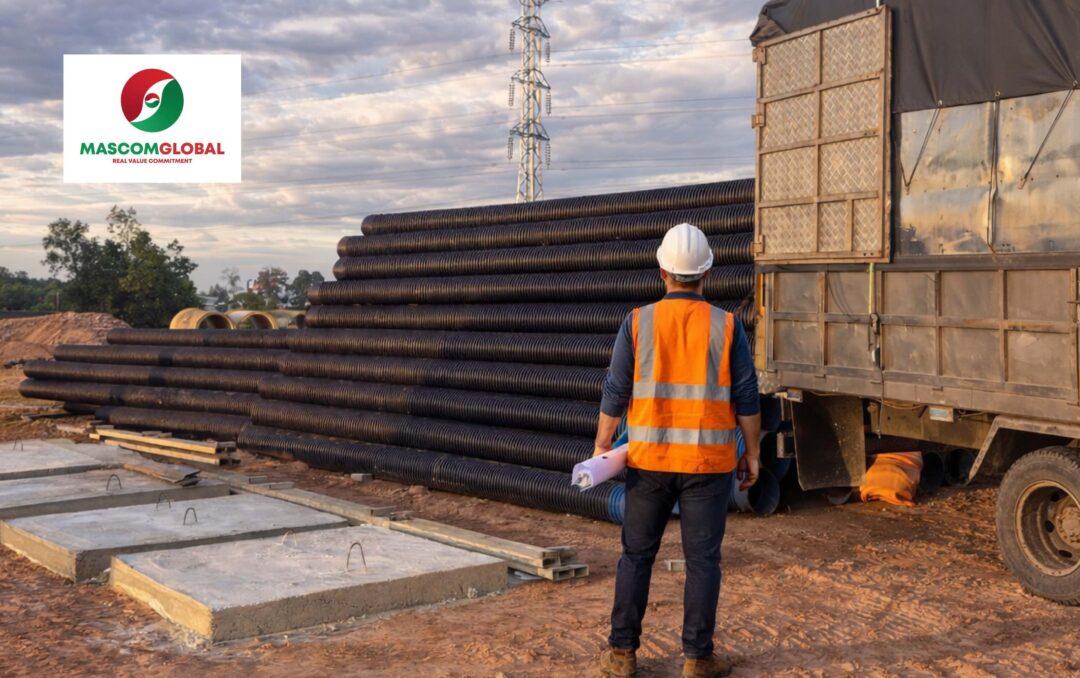
(Illustrative purpose only)
The versatility of HDPE double wall corrugated pipe makes it suitable for a wide array of infrastructure sectors:
- Municipal Sewage and Stormwater: The primary application involves gravity-flow sanitary sewers and complex stormwater management systems in urban developments.
- Highway and Transportation Infrastructure: Due to its high ring stiffness, it is frequently used for culverts under highways, airports, and heavy-duty railways.
- Industrial Effluent Disposal: Its chemical resistance makes it the preferred choice for transporting hazardous chemical waste and mining runoff.
- Agricultural Drainage: Large-scale farming operations utilize these pipes for field sub-drainage and controlled irrigation systems to manage soil moisture levels.
- Landfill Leachate Collection: Used in landfill construction to safely collect and transport leachate, protecting groundwater from contamination.
- Environmental Protection: Utilized in rainwater harvesting systems and underground detention chambers to manage urban runoff.
Conclusion
HDPE double wall corrugated pipe represents a pinnacle of modern materials science. By merging the structural rigidity of a corrugated exterior with the hydraulic efficiency of a smooth interior, it offers a reliable, sustainable, and economically viable solution for the world’s growing infrastructure needs. Choosing HDPE is not just a technical decision; it is an investment in the longevity and safety of our environment.
