
Blog
What is Wood Plastic Composite (WPC)?
[Mascom Global] In the evolving world of sustainable construction and interior design, Wood Plastic Composite (WPC) has emerged as a revolutionary material. By blending the natural aesthetic of wood with the durability of modern polymers, WPC offers a versatile solution that addresses the limitations of traditional timber. This article explores the composition, manufacturing process, advantages, and diverse applications of this innovative hybrid material.
Understanding Wood Plastic Composite
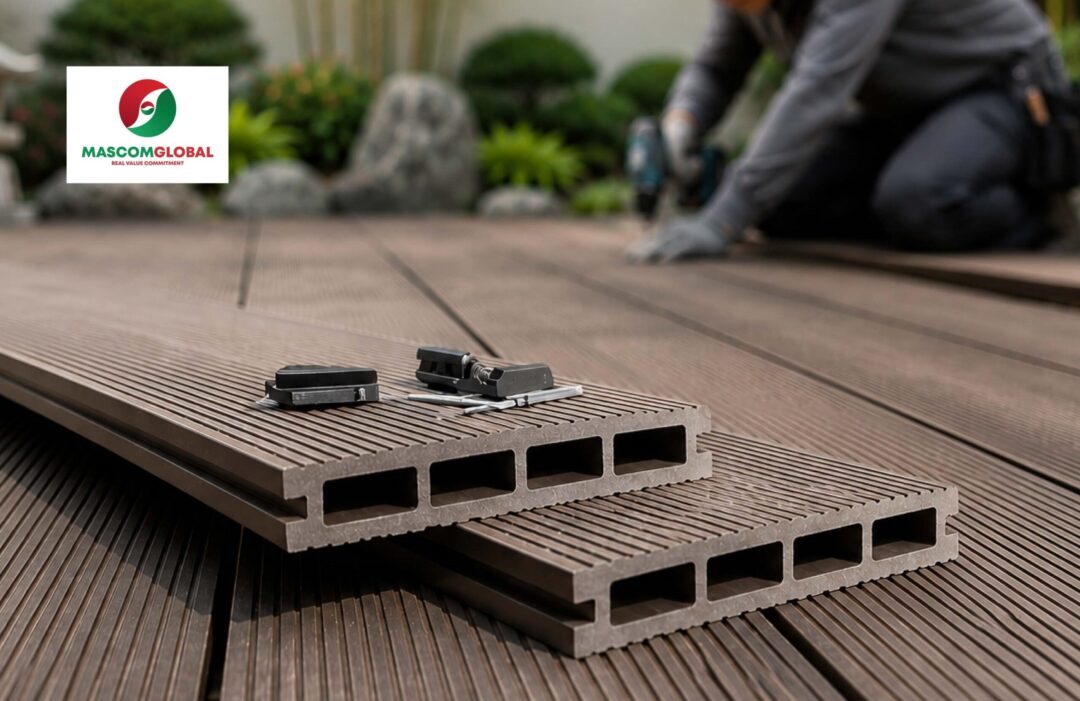
(Illustrative purpose only)
Wood Plastic Composite is a hybrid material composed of natural wood fibers (or wood flour) and thermoplastic resins, such as Polyethylene (PE), Polypropylene (PP), or Polyvinyl Chloride (PVC). Typically, the mixture consists of about 50% to 70% wood cellulose and 30% to 50% plastic polymer.
Beyond the primary components, specialized additives like coupling agents, UV stabilizers, pigments, and lubricants are incorporated during the manufacturing process. These additives ensure a homogenous bond between the organic wood and the synthetic plastic, resulting in a material that possesses the best qualities of both worlds.
The Manufacturing Process
The production of Wood Plastic Composite primarily involves a process called extrusion. In this method, the wood fibers and plastic pellets are heated until they reach a molten state. The mixture is then forced through a specific die or mold to create the desired shape, such as decking boards, railing profiles, or wall panels. Advanced manufacturers also use injection molding for more complex architectural component. This process allows for high precision and the ability to create textures that mimic natual wood grain with remarkable accuracy.
Key Advantages of Wood Plastic Composite
The rapid growth of the WPC market is attributed to several technical and economic benefits:
- Exceptional Durability: Unlike natural wood, WPC is highly resistant to rot, decay, and marine borers. It does not absorb moisture easily, which prevents warping, cracking, or splintering, common issues found in outdoor wooden structures.
- Low Maintenance: One of the most significant selling points for WPC is that it requires virtually no maintenance. It does not need to be sanded, stained, painted, or sealed. A simple cleaning with soap and water is usually sufficient to keep it looking new for decades.
- Aesthetic Versatility: WPC can be manufactured in a wide variety of colors, textures, and finishes. It provides the warm, inviting look of natural timber while offering the design flexibility of plastic.
- Environmental Sustainability: WPC is considered an eco-friendly material. It often utilizes recycled wood waste from the timber industry and recycled plastics (such as milk jugs or detergent bottles). Furthermore, the material itself is 100% recyclable at the end of its life cycle.
- Pest Resistance: Because of its plastic content, WPC is naturally resistant to termites and other wood-boring insects, making it an ideal choice for tropical climates or ground-contact applications.
- Safety: WPC boards are designed to be slip resistant and, more importantly, they do not splinter. This makes them a safer choice for families with children or pets, especially around swimming pools and decks.
Primary Applications of Wood Plastic Composite
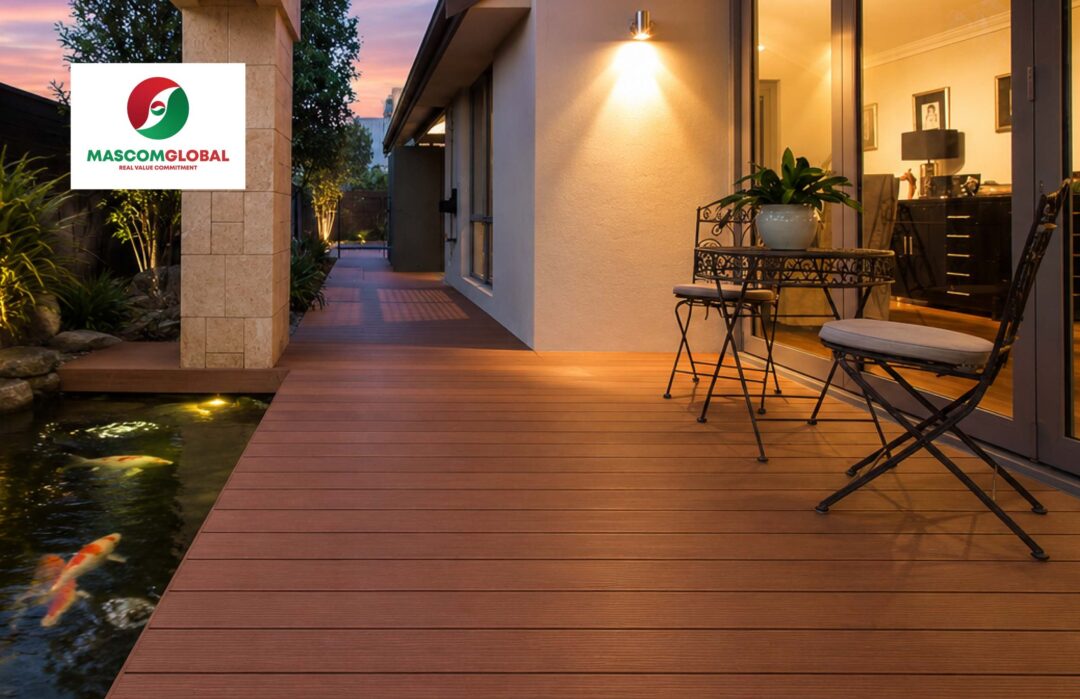
(Illustrative purpose only)
The unique properties of wood plastic composite make it suitable for various industries:
- Outdoor Decking and Flooring: This is the most popular application. WPC decks are prized for their longevity and resistance to harsh weather conditions.
- Wall Cladding and Siding: Used in modern architecture to provide a sleek, “wood-look” exterior that remains vibrant without fading.
- Fencing and Railing: WPC provides a sturdy and attractive alternative to traditional wooden or metal fences.
- Outdoor Furniture: Benches, picnic tables, and park installments often use WPC due to its ability to withstand constant exposure to the sun and rain.
- Interior Decoration: Increasingly used for indoor wall panels, ceiling decorations, and flooring in high-moisture areas like kitchens and bathrooms.
Conclusion
Wood Plastic Composite represents a perfect synergy between nature and technology. It provides a high-performance, sustainable alternative to natural timber, reducing the pressure on forest resources while offering superior longevity. For contractors, architects, and homeowners alike, WPC is more than just a building material; it is a smart investment in a durable and beautiful future.
