
Blog
Composite Pipe & Leading Manufacturers
[Mascom Global] In recent years, demand for composite pipe systems has increased significantly across industries such as construction, oil and gas, water supply, and infrastructure development. Traditional materials like metal and conventional plastics are gradually being replaced or supplemented by more advanced solutions that offer higher durability, corrosion resistance, and long-term performance. One of the most notable innovations in this field is the development of multi-layer piping technology.
These products have gained widespread recognition due to their ability to combine the advantages of multiple materials into a single structure. This article provides a comprehensive overview of what composite pipes are, their key characteristics, and an introduction to some of the leading manufacturers in the global market.
What is a Composite Pipe?
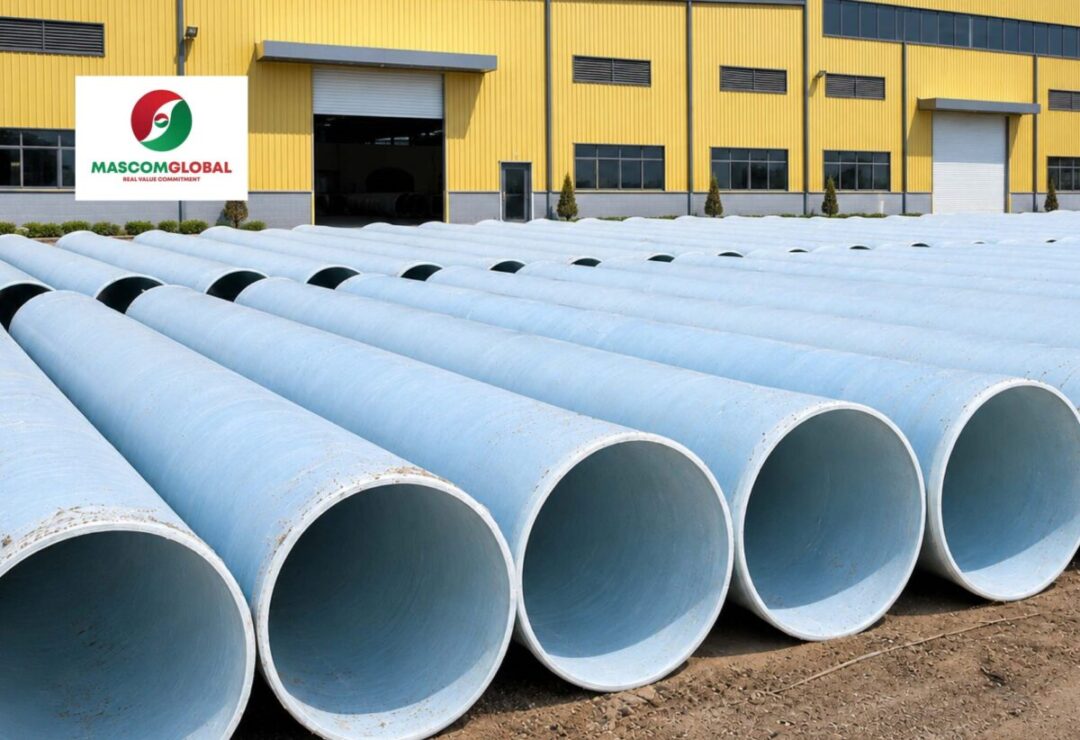
(Illustrative purpose only)
The pipe is a type of pipe made from two or more different materials combined together to achieve superior performance compared to traditional single-material pipes. These materials typically include layers of plastic (such as PE or PP), metal (such as aluminum), or reinforcing fibers.
The most common structure includes:
- An inner layer made of polyethylene (PE) or polypropylene (PP)
- A middle layer reinforced with aluminum or fiber
- An outer protective layer made of polymer
This multi-layer construction allows these pipes to deliver a combination of mechanical strength, flexibility, chemical resistance, and thermal stability.
Key Advantages of Composite Pipes
High Strength and Durability
These products are designed to withstand high pressure and mechanical stress. The reinforcement layer, whether aluminum or fiber-based, significantly improves the pipe’s structural integrity, making it suitable for demanding applications.
Corrosion Resistance
Unlike metal pipes, composite pipes do not corrode when exposed to water, chemicals, or environmental factors. This makes them ideal for long-term use in water supply systems, chemical transport, and industrial applications.
Lightweight and Easy Installation
Compared to traditional steel pipes, composite pipes are much lighter, which simplifies transportation and installation. This reduces labor costs and installation time, especially in large-scale projects.
Thermal and Chemical Stability
The pipes can maintain stable performance under varying temperatures and chemical exposure. This is particularly important in applications such as hot water systems, oil and gas pipelines, and industrial fluid transport.
Long Service Life
Due to their resistance to corrosion, wear, and environmental degradation, these products offer a longer service life compared to conventional materials. This reduces maintenance costs and ensures reliable operation over time.
Applications of Composite Pipes
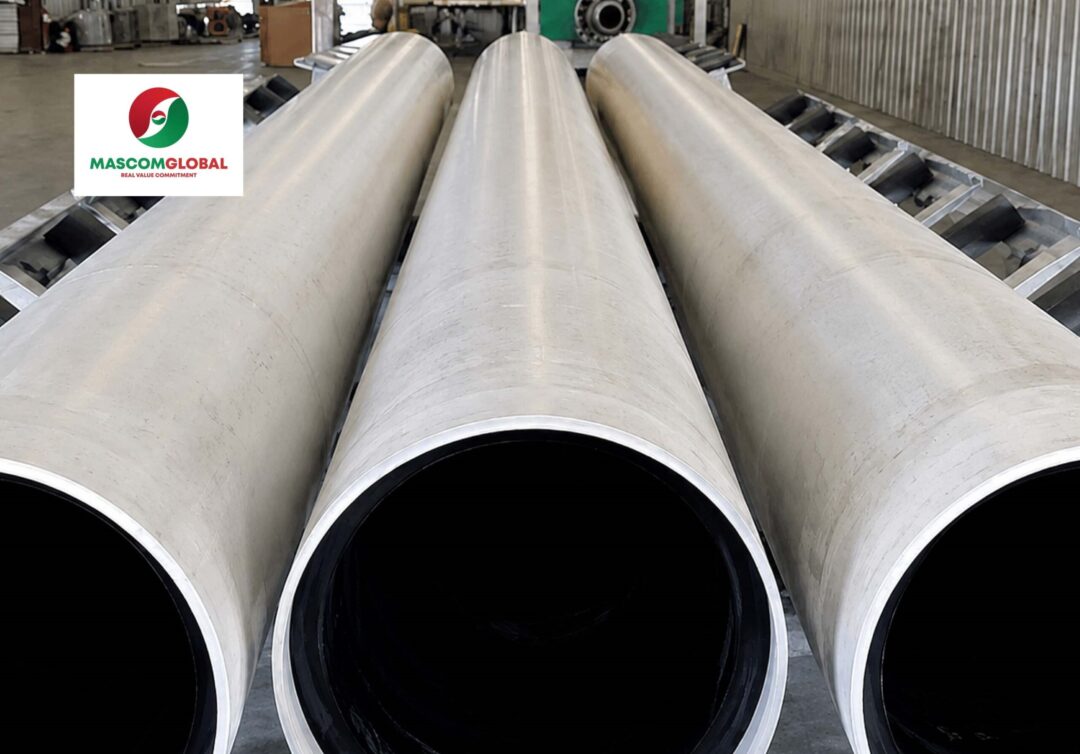
(Illustrative purpose only)
These type of pipes are widely used across multiple industries due to their versatility and performance advantages.
Water Supply and Plumbing Systems
Composite pipes are commonly used in residential and commercial plumbing systems. Their corrosion resistance and durability make them ideal for both cold and hot water distribution.
Oil and Gas Industry
In the oil and gas sector, these pipes are used for transporting fluids under highpressure and harsh conditions. Their resistance to corrosion and chemicals makes them a reliable alternative to metal pipes.
Agriculture and Irrigation
Composite pipes are also used in irrigation systems due to their lightweight nature and resistance to environmental factors. They help improve efficiency and reduce maintenance in agricultural operations.
Industrial Applications
Many industries use these products for transporting chemicals, gases, and other materials. Their chemical resistance and durability make them suitable for demanding environments.
Construction and Infrastructure
Composite pipes are increasingly used in modern construction projects, including heating systems, drainage systems, and structural applications.
Leading Manufacturers
The global composite pipe market is highly competitive, with several well-established manufacturers known for their advanced technology, large-scale production capacity, and consistent product quality.
Advanced Drainage Systems (ADS) – USA
ADS is one of the leading manufacturers of water management and drainage solutions. The company produces a wide range of composite piping systems designed for infrastucture and environmental applications. With extensive manufacturing facilities and strong R&D capabilities, ADS serves both domestic and international markets.
Aliaxis Group – Belgium
Aliaxis is a global leader in advanced piping systems, including composite pipes. The company operates in more than 40 countries and offers innovative solutions for water, gas, and industrial applications. Its strong focus on sustainability and innovation makes it a key player in the industry.
Georg Fischer (GF Piping Systems) – Switzerland
GF Piping Systems is known for its high-performance piping solutions, including composite materials. The company specializes in industrial, utility, and building technology applications. Its products are widely recognized for precision, reliability, and long-term performance.
Pipelife International – Austria
Pipelife is one of Europe’s largest manufacturers of plastic and composite piping systems. With a strong presence in multiple regions, the company provides solutions for infrastructure, agriculture, and construction projects.
Sekisui Chemical – Japan
Sekisui Chemical is a leading Japanese manufacturer specializing in advanced materials and piping systems. The company has developed high quality composite pipes used in water supply, industrial, and infrastructure applications.
China Lesso Group – China
China Lesso is one of the largest plastic piping manufacturers in Asia. The company offers a wide range of composite pipe products and has a strong production capacity supported by multiple manufacturing bases.
Conclusion
Composite pipes represent a significant advancement in piping technology, combining the strengths of multiple materials to deliver superior performance. With advantages such as high durability, corrosion resistance, lightweight design, and long service life, they are becoming the preferred choice across many industries.
As global demand for efficient and sustainable infrastructure continues to grow, composite pipes will play an increasingly important role in shaping the future of piping systems.Choosing high-quality products from reliable manufacturers is essential to ensure long-term performance and cost efficiency.
