
Blog
UV Stabilizers for Polyethylene: Composition, Functions, and Applications
[Mascom Global] Polyethylene (PE) is one of the most widely used polymers in the world, valued for its excellent mechanical properties, chemical resistance, and cost-effectiveness. However, like most plastics, polyethylene is highly vulnerable to ultraviolet (UV) radiation. Extended exposure to sunlight causes degradation, resulting in discoloration, brittleness, loss of mechanical strength, and reduced service life. To protect polyethylene products from such damage, UV stabilizers are incorporated into the polymer formulation. These additives play a crucial role in maintaining long-term durability and performance, especially for outdoor and high-exposure applications.
This article explores the composition, functions, and industrial applications of UV stabilizers for polyethylene.
1. Composition of UV Stabilizers for Polyethylene
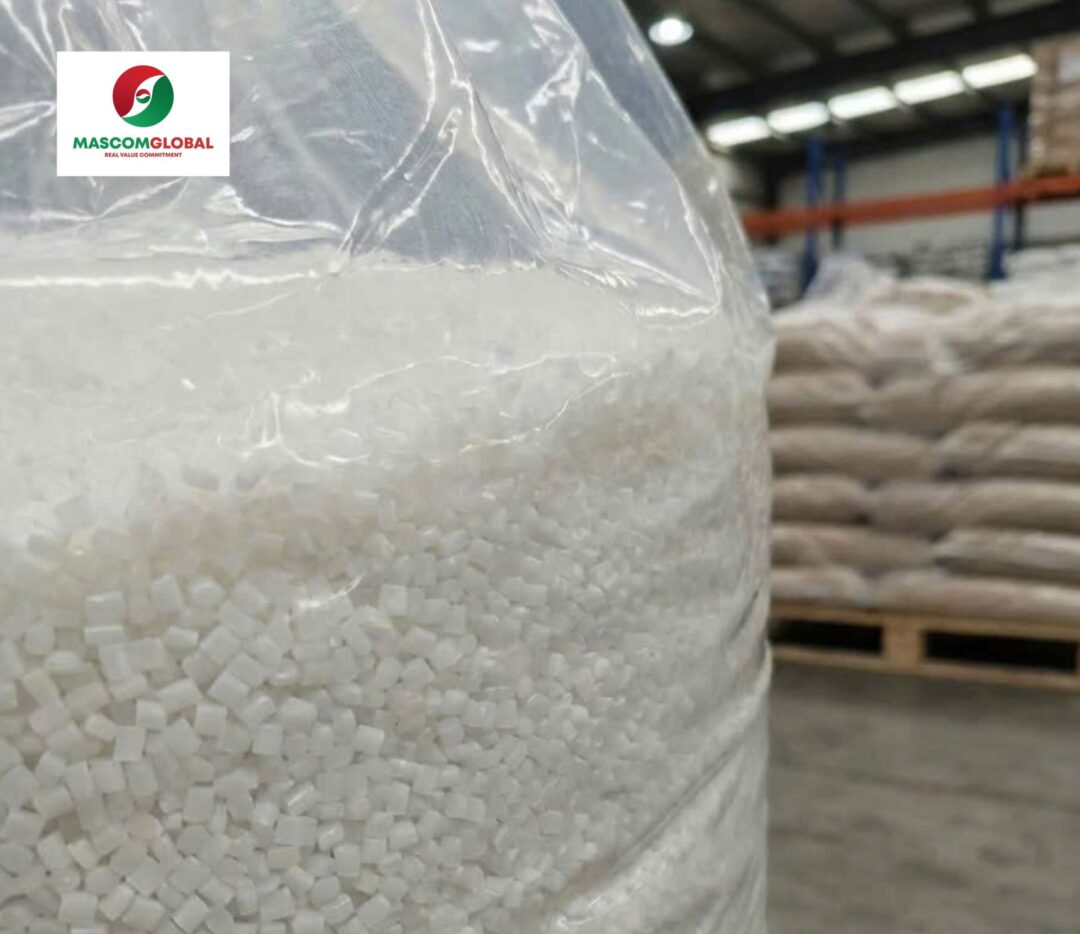
UV stabilizers refer to a category of specialized additives designed to prevent or slow down polymer degradation caused by UV radiation. Several types of stabilizers are commonly used in PE formulations, each serving a distinct protective mechanism:
1.1 Hindered Amine Light Stabilizers (HALS)
HALS are the most effective and widely used UV stabilizers for polyethylene. They work by neutralizing free radicals generated during photo-oxidation. Rather than absorbing UV radiation directly, they act through a regenerative process — meaning the stabilizer is restored after each reaction cycle. This makes HALS extremely efficient, providing long-term protection even at low concentrations.
Typical HALS molecules include:
- Tetramethyl piperidine derivatives
- Bis(2,2,6,6-tetramethyl-4-piperidyl) compounds
HALS are especially effective in thick sections and molded parts where long service life is crucial.
1.2 UV Absorbers
UV absorbers act by absorbing harmful UV radiation and dissipating the energy as harmless heat. Common families include:
- Benzotriazoles
- Benzophenones
- Hydroxyphenyl-triazines (HPT)
These stabilizers are particularly useful in thin films and applications requiring optical transparency.
1.3 Antioxidants
Although antioxidants are not UV stabilizers by definition, they often work in synergy with HALS and UV absorbers to prevent thermal and oxidative degradation. They protect PE during processing and help maintain stability during long-term exposure.
1.4 Synergistic Additive Packages
Modern formulations often combine HALS, UV absorbers, processing stabilizers, and antioxidants to create a balanced, optimized protection system tailored to the specific application.
2. Functions of UV Stabilizers for Polyethylene
2.1 Preventing Polymer Chain Scission
UV radiation generates free radicals that break polymer chains, causing product failure. UV stabilizers deactivate these radicals, preserving polymer integrity.
2.2 Increasing Product Service Life
Properly stabilized polyethylene can withstand years of sunlight without significant degradation, making it suitable for demanding outdoor environments.
2.3 Protecting Mechanical Properties
UV stabilizers reduce brittleness, cracking, and color fading. They help retain key mechanical properties such as tensile strength, elongation, and impact resistance.
2.4 Improving Weathering Resistance
In combination with antioxidants and pigments, UV stabilizers significantly enhance the material’s resistance to heat, oxygen, and environmental stress.
3. Applications of UV Stabilizers for Polyethylene
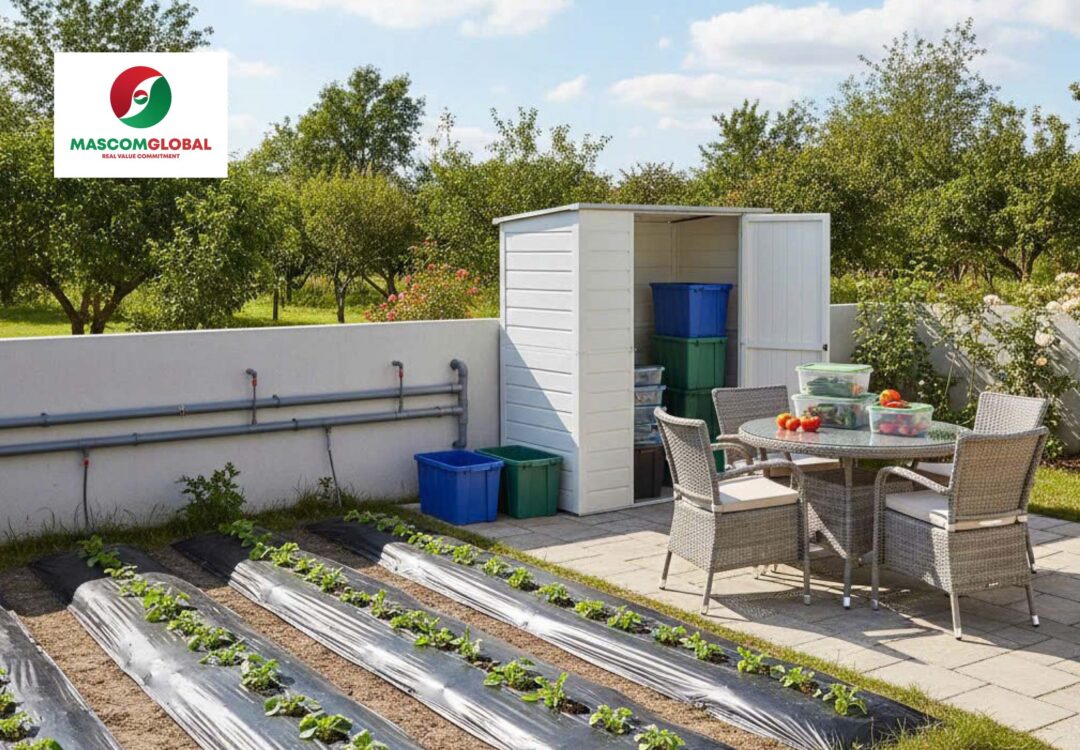
UV-stabilized PE is essential for industries where products are continuously exposed to sunlight or outdoor weather conditions.
3.1 Agricultural Films
Greenhouse and mulch films rely heavily on HALS and UV absorber packages to survive 6–36 months of field exposure. Stabilizers prevent film embrittlement and maintain flexibility.
3.2 Outdoor Furniture and Household Goods
Items such as chairs, containers, and storage boxes remain durable and color-stable thanks to UV protection.
3.3 Geomembranes and Construction Materials
PE geomembranes used in landfills, mining sites, and water reservoirs require long-term UV stabilization. HALS systems ensure structural strength and resistance to cracking.
3.4 Pipes and Fittings
Irrigation pipes and outdoor HDPE piping systems incorporate UV stabilizers to prevent environmental stress cracking and extend service life.
3.5 Packaging Applications
Certain food and nonfood packaging films utilize UV absorbers to protect both the polymer and the contents from UV-induced degradation.
3.6 Automotive Components
Interior and exterior polyethylene parts, such as ducts and trim elements, require UV stabilization to maintain appearance and mechanical performance under sunlight.
Conclusion
UV stabilizers are essential for ensuring the long-term durability of polyethylene products. Through tailored combinations of HALS, UV absorbers, antioxidants, and synergistic additives, manufacturers can significantly enhance resistance to sunlight, heat, and environmental stress. As industries continue to demand longer-lasting and more reliable polyethylene materials, the role of UV stabilizers becomes increasingly indispensable.
