
Blog
What Is an Antistatic Additive? Benefits and Applications
In the plastics and polymer industry, managing electrostatic charges is an essential part of ensuring safe, reliable, and high-quality production. During processing, handling, transportation, and usage, plastic materials tend to accumulate static electricity on their surfaces. This leads to dust attraction, processing difficulties, operational hazards, and even safety risks in sensitive working environments. To overcome these issues, manufacturers often rely on antistatic additives — specialized chemical agents designed to reduce or eliminate static buildup.
1. What Is an Antistatic Additive?
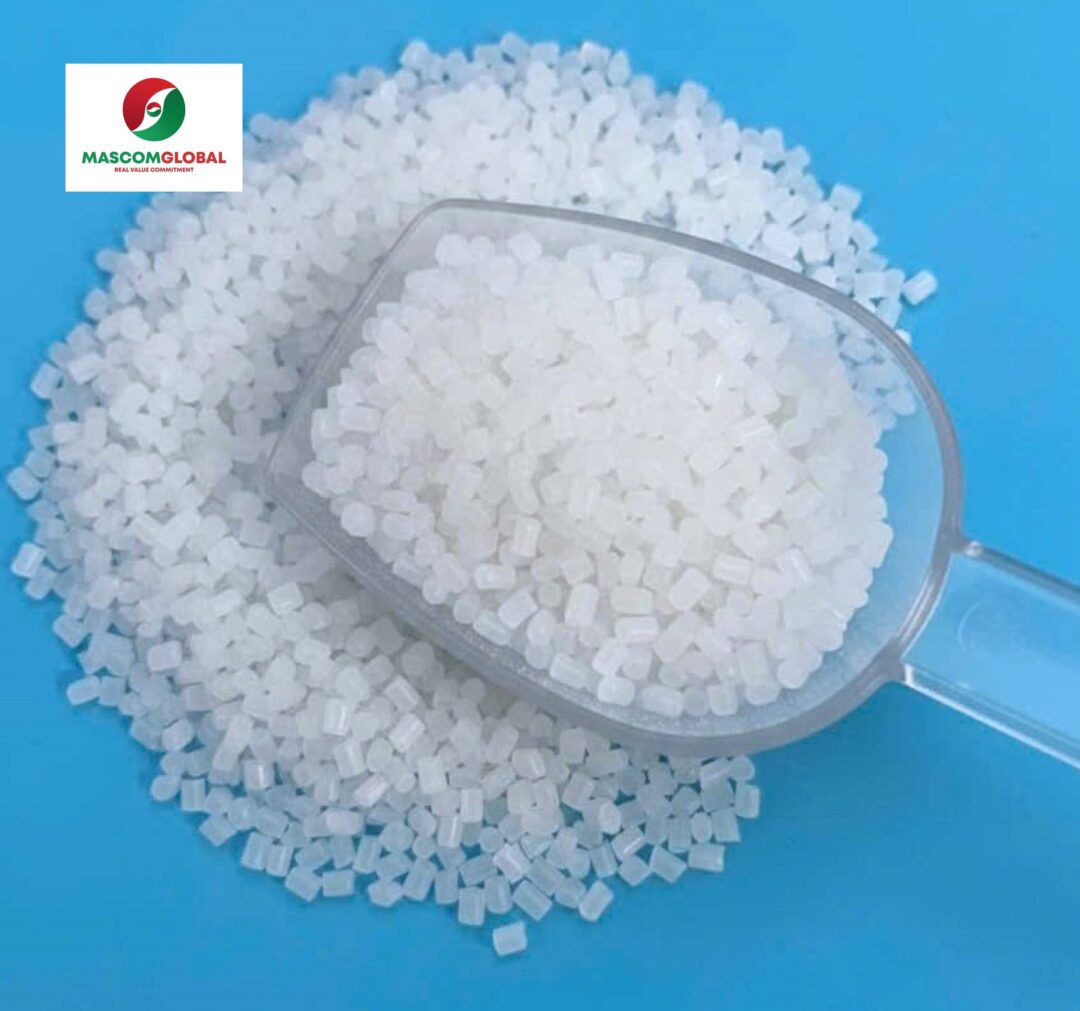
An antistatic additive is a functional additive incorporated into plastic resins or applied onto the surface of finished products to minimize the accumulation of electrostatic charge. These additives work by increasing the material’s surface conductivity, allowing charges to dissipate more easily. Instead of remaining trapped on the plastic’s surface, the electric charge gradually disperses into the surrounding environment.
There are two main types of antistatic additives:
- Internal antistatic additives
These are blended directly into the polymer matrix during compounding or processing. Over time, they migrate to the surface and form a thin conductive layer that prevents static buildup.
- External antistatic additives
These are applied onto the surface of finished goods, forming a temporary but effective antistatic coating.
Antistatic additives are commonly found in polyethylene (PE), polypropylene (PP), polystyrene (PS), PVC, engineering plastics, films, packaging products, and various industrial materials.
2. How Do They Work?
Plastic materials are generally insulative, meaning they do not conduct electricity naturally. As they rub against machinery, other materials, or even air friction, electrons accumulate, creating static electricity.
They work through several mechanisms:
- Moisture absorption: Many antistatic agents attract small amounts of moisture from the environment, forming a conductive layer that allows charge dissipation.
- Surface migration: Internal antistatic agents move to the surface of the plastic over time, ensuring long-lasting performance.
- Conductivity modification: Some additives increase the polymer’s conductivity through ionic or molecular structures, helping charges disperse.
The result is a significant reduction in static charge, improved safety, and enhanced product quality.
3. Key Benefits
Using antistatic additives provides multiple advantages across various industries. Some of the most notable benefits include:
1. Reduces Dust and Contamination
Static electricity causes dust, dirt, and fine particles to cling to plastic surfaces. They prevent this, ensuring:
- Cleaner packaging
- Improved transparency for films
- Reduced maintenance costs
This is especially important in food packaging, pharmaceutical films, household appliances, and electronic components.
2. Enhances Processing Efficiency
During extrusion and injection molding, static charge can interfere with smooth material flow. With antistatic additives, manufacturers benefit from:
- Better mold release
- Improved conveying
- Fewer production interruptions
- Less material blockage
This results in higher productivity and more consistent output quality.
3. Boosts Safety in Sensitive Environments
In certain industries — such as chemicals, electronics, and pharmaceuticals — static discharge can trigger sparks, explosions, or equipment malfunctions. They help minimize these dangers by ensuring controlled charge dissipation.
4. Improves Handling and User Experience
Plastic films, bags, and packaging products often cling to hands or machinery due to static charge. Antistatic additives:
- Reduce clinginess
- Make packaging easier to open, separate, and process
- Improve comfort for end users
5. Protects Sensitive Electronic Components
Static discharge (ESD) can damage microchips, PCBs, and other electronic parts. They used in ESD packaging prevent:
- Component failure
- Device malfunctions
- High replacement costs
6. Enhances Product Longevity
By preventing static-related issues such as dust contamination and surface degradation, They help maintain:
- Product appearance
- Material performance
- Overall lifespan
4. Applications

Antistatic additives are used across a wide range of industries. Key application areas include:
1. Plastic Films and Packaging
One of the largest application sectors is packaging, including:
- PE and PP films
- Food containers
- Blister packaging
- Stretch film and shrink film
Antistatic performance enhances clarity, cleanliness, and safety during handling.
2. Electronics and Electrical Components
Antistatic materials are essential for:
- ESD-safe bags
- Component trays
- Protective packaging
- Insulation materials
These applications help protect devices from static-induced damage.
3. Industrial and Chemical Production
In environments with flammable or sensitive substances, static reduction is critical. They are used in:
- Chemical drum liners
- Flexible intermediate bulk containers (FIBC)
- Industrial hoses
- Safety equipment
4. Automotive and Household Appliances
Plastic parts in cars and household devices often encounter dust buildup. Antistatic materials enhance durability and appearance in:
- Interior components
- Plastic housings
- Displays and panels
5. Textiles and Fibers
Synthetic fibers like polyester and nylon benefit from antistatic agents to improve comfort, reduce cling, and enhance performance.
5. Conclusion
Antistatic additives play a vital role in modern manufacturing by preventing the harmful and inconvenient effects of static electricity. From improving safety and operational efficiency to enhancing product cleanliness and reliability, these additives are indispensable in numerous industries. As the global demand for high-performance plastics continues to rise, antistatic additives will remain essential for ensuring quality, safety, and efficiency.
