
1. In-Depth Definition: TPE Material - The Intersection of Plastic and Rubber
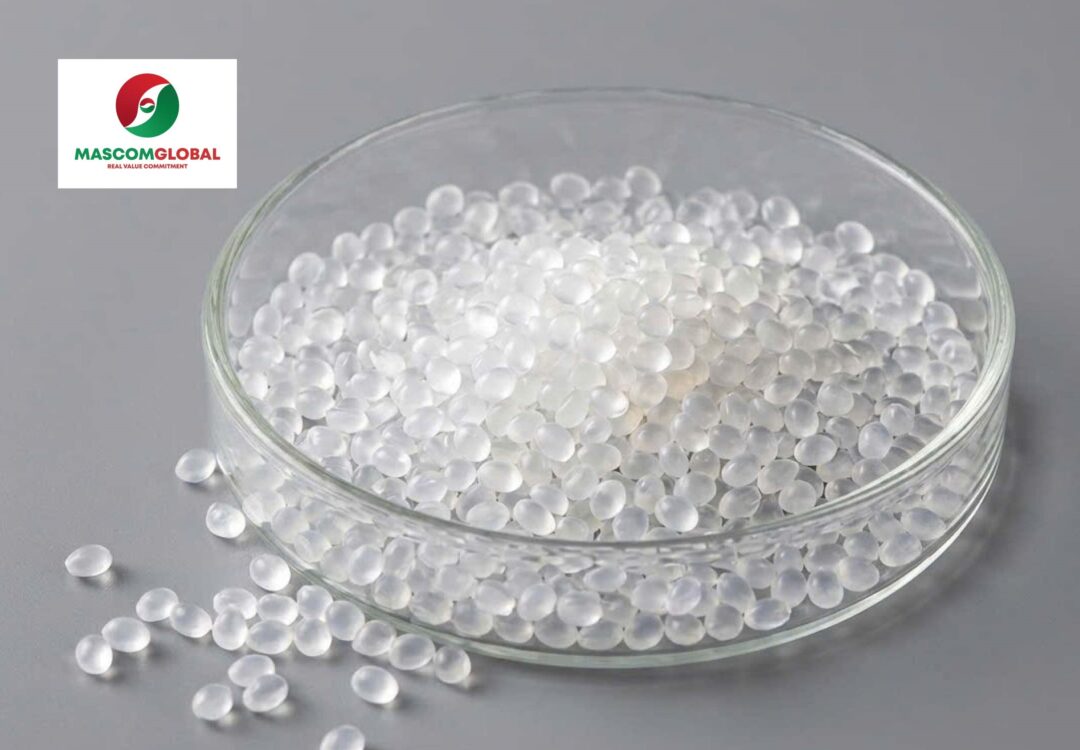
The "Amphibious" Nature
TPE Material (Thermoplastic Elastomer) is a polymer system possessing unique dual characteristics:- At room temperature: It exhibits the elasticity, softness, and resilience of cured rubber.
- At high temperatures: It melts and flows, allowing processing on standard injection molding, extrusion, or blow molding machinery.
Multi-Phase Structure
Microscopically, TPE consists of two distinct phases:- Hard Phase (Hard Segments): Acts as physical "anchor points", providing tensile strength, stiffness, and heat resistance.
- Soft Phase (Soft Segments): Provides elasticity and flexibility. By adjusting the ratio of these phases, manufacturers can fine-tune TPE hardness from gel-like softness (Shore OO) to semi-rigid plastic (Shore D).
2. Classification of Common TPE Material
To select the right Masterbatch solution, it is essential to distinguish between the four main TPE groups:- TPE-S (Styrenic Block Copolymers): The most common group (including SBS, SEBS). SEBS offers better weather and heat resistance than SBS. TPE-S is highly compatible with Polypropylene (PP); therefore, it is often compounded with PP Filler Masterbatch to reduce costs and increase stiffness.
- TPO (Thermoplastic Polyolefins): A blend of PP and un-crosslinked EPDM rubber. TPO is rigid, impact-resistant, and cost-effective, widely used in automotive bumpers.
- TPV (Thermoplastic Vulcanizates): Similar to TPO but produced via dynamic vulcanization, creating a cross-linked rubber phase. TPV offers superior heat and oil resistance, closely mimicking thermoset rubber.
- TPU (Thermoplastic Polyurethane): Known as the "king of abrasion resistance." TPU offers high tear strength and is commonly used in premium footwear and phone cases.
3. Optimizing TPE Material with Solutions from Mascom Global
Virgin TPE resin is relatively expensive. The key to commercial success lies in compounding technology using functional additives.3.1. Strategic Use of CaCO3 Filler Masterbatch
Calcium Carbonate (CaCO3) from Vietnam's high-purity white limestone mines is a "secret weapon" for compounders. Using Mascom Global’s Filler Masterbatch delivers dual benefits:- Economic Efficiency: Replacing 10-40% of the base resin with Filler Masterbatch significantly lowers Bill of Materials (BOM) costs without compromising product grade.
- Technical Improvements:
- Dimensional Stability: Reduces shrinkage and minimizes warpage.
- Productivity Boost: CaCO3 has higher thermal conductivity than polymer, helping parts cool faster in the mold. This can reduce cycle times by 10-20%, increasing output.
- Increased Stiffness: Improves flexural modulus for TPO applications requiring structural rigidity (e.g., automotive door panels).
3.2. Color Masterbatch Solutions
Coloring TPE is complex due to its elastic nature. Selecting the wrong carrier resin can lead to delamination or peeling.- For TPE-S and TPO: We recommend PP or PE based Color Masterbatch. Since PP/PE are compatible with the hard phase of these materials, they ensure excellent bonding.
- For TPU: Specialized masterbatches based on TPU or EVA carriers are required to ensure adhesion and prevent property loss.
4. TPE Material vs. Traditional Materials Comparison
 Criteria
TPE (Thermoplastic)
Thermoset Rubber
Flexible PVC
Processing
Fast (seconds), standard plastic machinery
Slow (minutes), requires vulcanization
Fast
Recyclability
100% (Easy)
Difficult / Impossible
Possible (downgraded)
Safety
Phthalate-free, Medical grade safe
Strong odor, allergy risk (Latex)
Contains Chlorine, Phthalates
Density
Low (0.89 - 1.1 g/cm³)
Higher (1.2 - 1.5 g/cm³)
High (1.2 - 1.4 g/cm³)
TPE material is progressively replacing PVC in medical devices and toys due to its superior safety profile and environmental compliance.
Criteria
TPE (Thermoplastic)
Thermoset Rubber
Flexible PVC
Processing
Fast (seconds), standard plastic machinery
Slow (minutes), requires vulcanization
Fast
Recyclability
100% (Easy)
Difficult / Impossible
Possible (downgraded)
Safety
Phthalate-free, Medical grade safe
Strong odor, allergy risk (Latex)
Contains Chlorine, Phthalates
Density
Low (0.89 - 1.1 g/cm³)
Higher (1.2 - 1.5 g/cm³)
High (1.2 - 1.4 g/cm³)
TPE material is progressively replacing PVC in medical devices and toys due to its superior safety profile and environmental compliance.
5. Breakthrough Applications in Key Industries
- Automotive: TPO and TPV are replacing metal and EPDM rubber in bumpers, dashboards, and weather seals due to lightweighting (fuel efficiency) and recyclability.
- Medical: TPE material replaces PVC and Latex in tubing, syringe plungers, and fluid bags as it meets USP Class VI standards and is non-allergenic.
- Consumer Goods: Widely used for "Soft-touch" grips on toothbrushes, power tools, and safe toys for children.
6. Market trends in Viet Nam
6.1. Shift from PVC to TPE Material
Vietnam is moving away from PVC in toys, food packaging, and medical devices due to health regulations (US/EU export standards).6.2. Mascom Global's Role
As a Top 2 Masterbatch manufacturer in Vietnam, Mascom Global supports this shift by:- Localization: Providing world-class Filler Masterbatch using local limestone, reducing costs for domestic TPE compounders.
- Export: Delivering high-quality additives to over 70 countries, proving Vietnam's position in the global polymer supply chain.