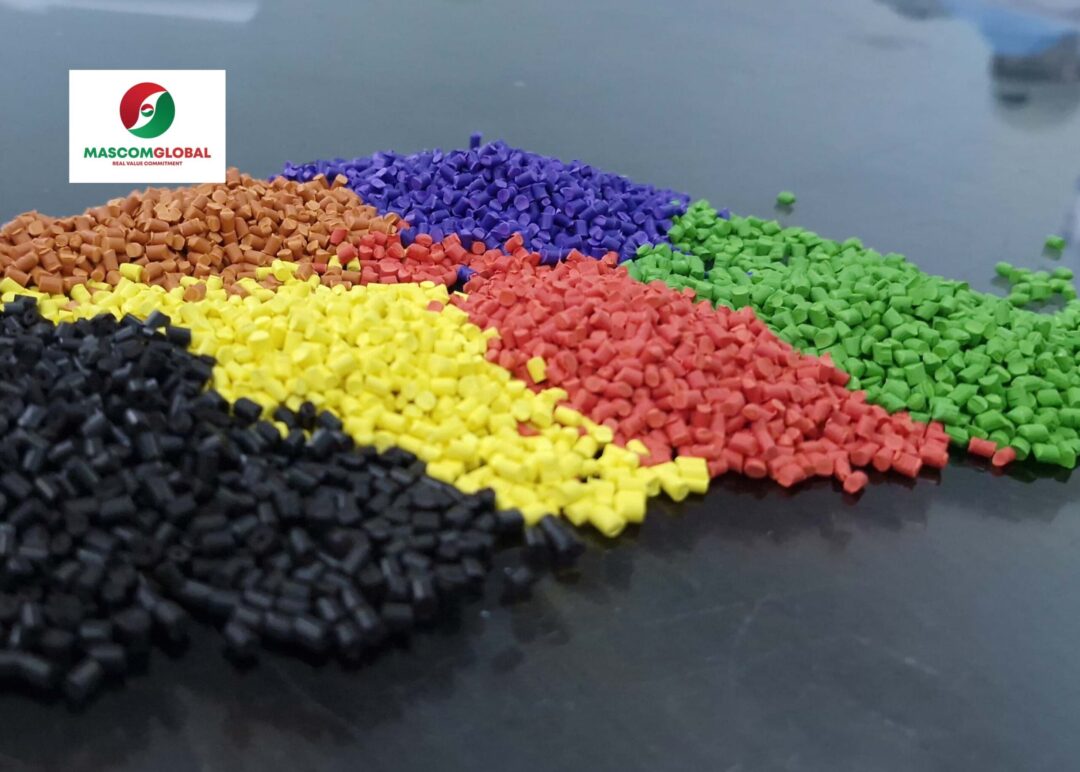
Color masterbatch plays an essential role in today’s plastic manufacturing industry by helping manufacturers achieve consistent coloration, improve product value and enhance brand recognition. Instead of using traditional powder pigments, many manufacturers now prefer this solution to optimize production efficiency and maintain stable color quality.

However, each plastic application requires different performance characteristics, including color dispersion, heat resistance, weather durability and surface appearance. Therefore, choosing and using the right formulation is essential to ensuring high-quality finished products.

What is Color Masterbatch?

Color Masterbatch

Colour Masterbatch is a concentrated mixture of pigments or dyes dispersed in a carrier resin along with processing additives. It is produced in pellet form, making it easy to blend with virgin or recycled plastic materials during manufacturing.  Compared to conventional pigment powders, Color Masterbatch offers several advantages: 
  • Excellent color consistency  
  • Cleaner production process with less dust  
  • Easy dosing and mixing  
  • Improved processing efficiency  
  • Reduced product defects  
  • Better color durability and surface finish  
Today, Color Masterbatch is widely used in plastic processing technologies such as injection molding, blown film extrusion, blow molding, fiber production, and extrusion applications. 

How to Use Color Masterbatch in Plastic Packaging Applications
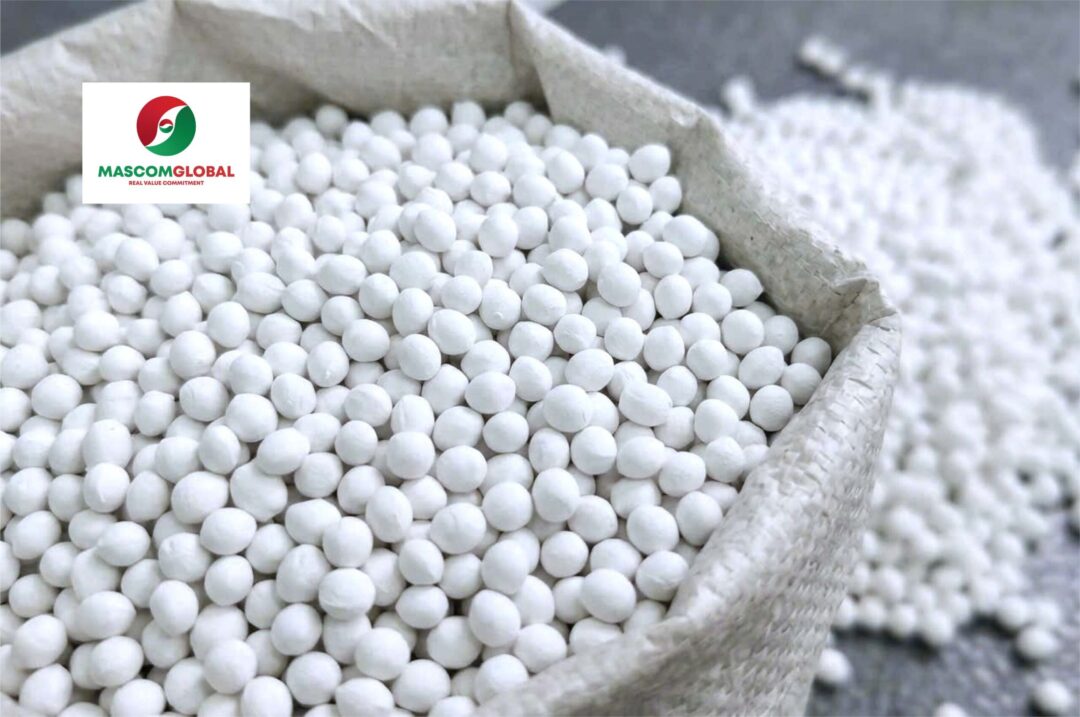
Color Masterbatch 

Plastic packaging is one of the largest industries using Color Masterbatch. Different packaging products require different color properties and dosage levels. 
  1. Application in PE Film Blowing
For plastic bags, flexible packaging films, and agricultural films, Color Masterbatch should provide: 
  • Excellent dispersion  
  • No agglomeration  
  • Minimal impact on film strength and transparency  
The typical dosage ranges from 1% to 5%, depending on the desired color intensity. Dark colors such as black, blue, or red often require lower loading levels due to their strong pigmentation.  For outdoor applications, manufacturers are advised to use UV-resistant Color Masterbatch to improve weather resistance and prevent color fading. 
  1. Application in Plastic Bottles and Containers
In HDPE and PET bottle blow molding, Color Masterbatch must withstand high processing temperatures while maintaining stable color performance throughout production.  Important considerations include: 
  • Selecting a compatible carrier resin  
  • Ensuring pigment heat stability  
  • Optimizing dosage to avoid affecting mechanical properties  
For example: 
  • Cosmetic bottles usually require glossy and vibrant colors  
  • Chemical containers often use darker colors for better light protection  

Using Color Masterbatch in Injection Molding 

Injection molding applications demand high-quality surface appearance, uniform coloration, and excellent product finishing. Therefore, selecting premium-quality Color Masterbatch is critical. 
  1. Household Plastic Products
Products such as plastic basins, storage boxes, chairs, and kitchenware often require: 
  • Bright and attractive colors  
  • High gloss  
  • No streaks or uneven coloration  
In these applications, manufacturers should choose Color Masterbatch with superior dispersion and strong compatibility with PP, ABS, or other engineering plastics.  To enhance product aesthetics, many manufacturers also use: 
  • Pearl effect masterbatch  
  • Metallic effect masterbatch  
  • Glitter or shimmer color additives  
  1. Technical Plastic Components
For automotive parts, electronic components, and industrial plastic products, Color Masterbatch must meet additional technical requirements such as: 
  • Heat resistance  
  • UV resistance  
  • Flame retardancy  
  • Chemical resistance  
As a result, masterbatch used in engineering plastic applications generally requires higher technical standards than those used in common household products. 

Color Masterbatch in Fiber and Nonwoven Production 

In PP fiber, PET fiber, and nonwoven fabric manufacturing, Color Masterbatch is used to color fibers directly during production instead of using post-dyeing processes.  This method helps: 
  • Reduce dyeing costs  
  • Minimize wastewater generation  
  • Improve color fastness  
However, fiber applications require Color Masterbatch with: 
  • Uniform pellet size  
  • Excellent dispersion quality  
  • Minimal filter blockage  
Low-quality masterbatch may cause problems such as: 
  • Fiber breakage  
  • Color spots  
  • Uneven coloration  

Important Considerations When Using Color Masterbatch 

To achieve the best production performance, manufacturers should pay attention to the following factors: 
  1. Choose the Right Carrier Resin
The carrier resin should be compatible with the base polymer to ensure optimal dispersion and color adhesion.  Examples include: 
  • PE-based masterbatch for PE film applications  
  • PP-based masterbatch for PP products  
  • PET-based masterbatch for PET bottles  
  1. Control the Dosage Ratio
If the dosage is too low: 
  • The color may appear weak or uneven  
If the dosage is too high: 
  • Production costs increase  
  • Mechanical properties may be negatively affected  
Therefore, trial testing is recommended before mass production. 
  1. Evaluate Heat Resistance
Some pigments cannot tolerate high processing temperatures and may cause: 
  • Color degradation  
  • Discoloration  
  • Loss of gloss  
This is especially important in high-temperature processes such as injection molding and fiber spinning. 
  1. Proper Storage Conditions
Color Masterbatch should be stored: 
  • In dry environments  
  • Away from direct sunlight  
  • Away from excessive humidity  
Improper storage can negatively affect both color quality and processing performance. 

Current Trends in Color Masterbatch Industry 

Today, the market increasingly favors Color Masterbatch products that are: 
  • Environmentally friendly  
  • Free from heavy metals  
  • Compliant with RoHS and REACH standards  
  • Suitable for recycled plastic applications  
In addition, customized color solutions are becoming more popular, especially in packaging, cosmetics, and premium household products.  This trend requires masterbatch suppliers to provide: 
  • Custom color matching services  
  • Stable quality between production batches  
  • Technical support for manufacturers  

Conclusion 

Color Masterbatch plays a crucial role in improving the appearance, performance, and commercial value of plastic products. However, to maximize efficiency, manufacturers must carefully select the appropriate masterbatch type for each specific application and processing technology.  With extensive experience in plastic materials and additive solutions, Mascom Global provides a wide range of high-quality Color Masterbatch products for packaging, injection molding, blow molding, fiber production, and engineering plastic applications. Mascom Global’s solutions are designed to deliver excellent dispersion, color consistency, and compatibility with various polymers, helping manufacturers improve production efficiency and finished product quality.