
1. Defining Polysulfone (PSU)
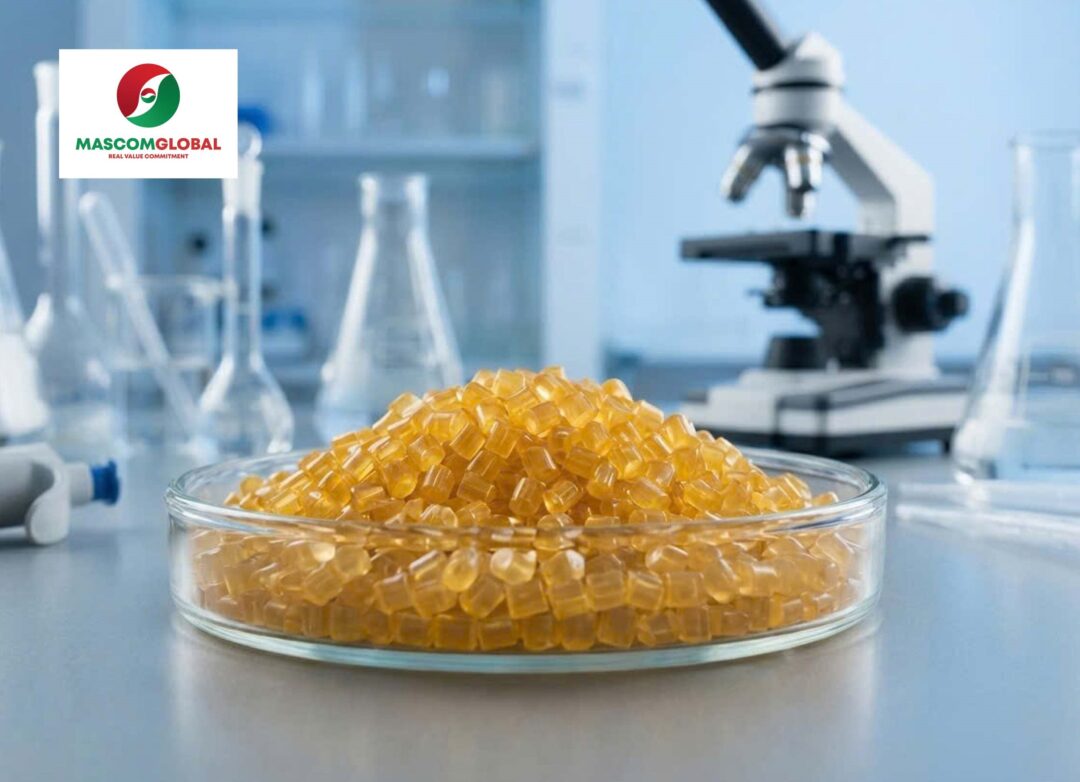 Polysulfone (PSU) is a rigid, high-strength, semi-transparent thermoplastic belonging to the sulfone polymer family. Chemically, it is an amorphous polymer defined by its repeating sulfone groups and aryl groups within its molecular chain.
This unique molecular architecture provides PSU with exceptional stability — both thermal and chemical. Unlike commodity plastics that may soften or degrade under stress, PSU maintains its structural integrity.
Polysulfone (PSU) is a rigid, high-strength, semi-transparent thermoplastic belonging to the sulfone polymer family. Chemically, it is an amorphous polymer defined by its repeating sulfone groups and aryl groups within its molecular chain.
This unique molecular architecture provides PSU with exceptional stability — both thermal and chemical. Unlike commodity plastics that may soften or degrade under stress, PSU maintains its structural integrity.
- Appearance: Naturally, PSU possesses a distinct transparent amber color, though it can be colored to meet specific aesthetic requirements.
- Thermal Profile: With a high Glass Transition Temperature of approximately 185°C, PSU is categorized as a high-heat plastic, capable of maintaining rigorous physical properties across a wide temperature range.
2. Key Technical Properties: Why Choose PSU?
To understand why engineers specify PSU for critical components, we must look at its core technical characteristics. It offers a balance of properties that few other thermoplastics can match.Excellent Heat Resistance and Thermal Stability
PSU is designed for endurance. It boasts a continuous service temperature of 150°C to 160°C. More impressively, it exhibits outstanding resistance to thermal oxidation. While many plastics become brittle or discolored after prolonged exposure to heat, PSU retains its mechanical strength and transparency, making it ideal for electrical and automotive components.Superior Hydrolytic Stability
Perhaps the most defining feature of Polysulfone is its Hydrolytic Stability. PSU is virtually unaffected by hydrolysis. It can withstand prolonged exposure to hot water and rigorous steam sterilization cycles (autoclaving) without chemical degradation or cracking. This specific property makes it a superior alternative to polycarbonate (PC) in medical environments where repeated sterilization is mandatory.Chemical Resistance and Dimensional Stability
- Chemical Resistance: PSU offers high resistance to mineral acids, alkali solutions, saline environments, and oils/greases (though it is sensitive to polar solvents like ketones).
- Dimensional Precision: Due to its amorphous structure, PSU exhibits low mold shrinkage and excellent creep resistance. Parts molded from PSU hold tight tolerances over long periods, preventing the "warpage" issues common in semi-crystalline plastics.
Outstanding Dielectric Properties
Even at elevated temperatures or in humid environments, PSU acts as an excellent electrical insulator, making it indispensable for connectors, coil bobbins, and circuit board substrates.3. Breakthrough Applications in Modern Industry
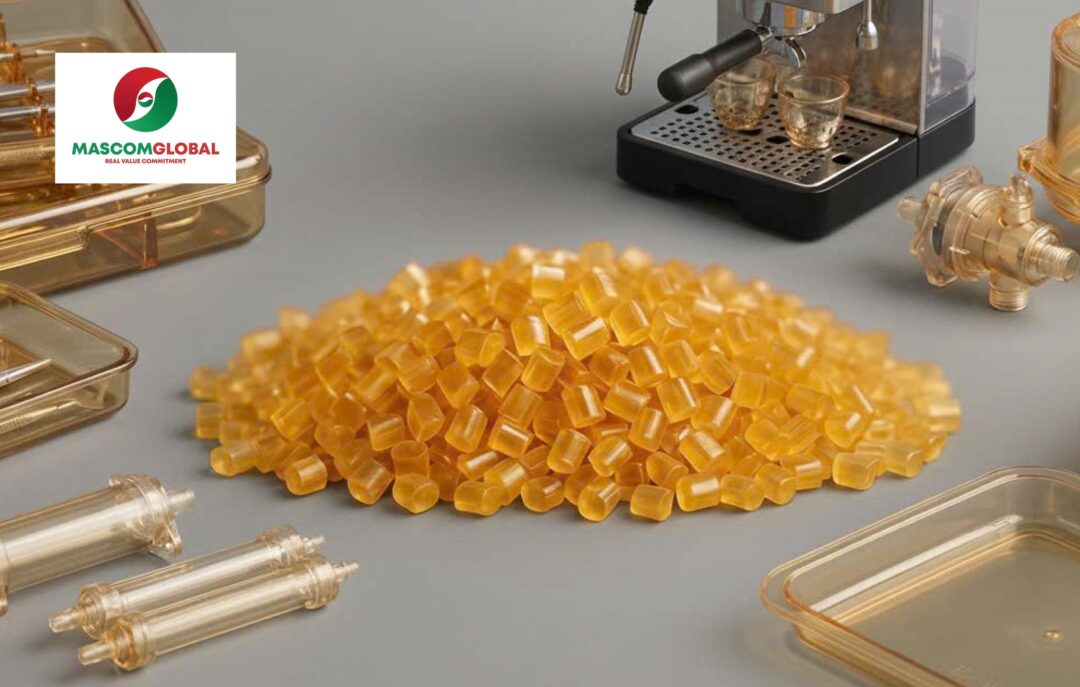 Leveraging these superior properties, Polysulfone has found its way into critical "failure-is-not-an-option" applications:
Medical and Healthcare
In an industry where hygiene and safety are paramount, PSU is a top-tier material. Its ability to withstand repeated autoclaving allows it to be used in:- Reusable surgical instruments and handles.
- Hemodialysis membrane holders and respiratory devices.
- Medical instrument trays and dental equipment.
Water Treatment and Membrane Technology
PSU serves as the foundational material for manufacturing membranes used in Reverse Osmosis (RO) and Ultrafiltration (UF) systems. Its ability to control pore size combined with chemical durability ensures these membranes function reliably in harsh filtration environments. Additionally, it is used in plumbing fittings (replacing brass) to prevent heavy metal leaching.Food and Beverage Contact
Meeting strict safety standards (such as FDA regulations), PSU is widely utilized in:- Internal components of high-end coffee machines (valves, boilers).
- Milking machine components.
- Microwavable cookware and food containers.
Automotive and Aerospace
In sectors driven by fuel efficiency, weight reduction is key. PSU’s natural flame retardancy (self-extinguishing) and lightweight nature make it perfect for:- Aircraft interior panels and lighting bezels.
- Under-the-hood automotive sensors.
- Electrical connectors exposed to engine heat.
4. The Processing Challenge: Where Expertise Matters
While Polysulfone is a "super material," it is notoriously difficult to process. High melting temperatures and high melt viscosity pose significant challenges during Injection Molding or Extrusion. Manufacturers often face issues such as:- Unstable Melt Flow Index (MFI): Leading to inconsistent product quality.
- Poor Dispersion: Standard colorants or additives often degrade or disperse poorly at PSU processing temperatures, causing streaks or specks.
- Surface Defects: Flow marks and warpage can occur if the material formulation isn't optimized.
5. Mascom Global: Your Strategic Partner for Material Solutions
In the competitive world of engineering plastics, selecting the right raw material partner is as critical as selecting the resin itself. This is where Mascom Global JSC steps in. As a leading manufacturer of Masterbatch and Compound in Vietnam, Mascom Global does not just sell products; we provide "Real Value Commitment" to polymer manufacturers worldwide. We understand the intricacies of processing high-performance plastics and offer solutions that bridge the gap between technical difficulty and commercial viability.Why partner with Mascom Global?
- Massive Manufacturing Scale:
- Comprehensive Product Ecosystem:
- Color Masterbatches: Offering excellent dispersion and thermal stability, suitable for various resin carriers.
- Additive Masterbatches: Solutions like Processing Aids (PPA) to improve flow in viscous materials or Anti-oxidants to protect polymers during high-heat processing.
- Engineering Compounds: Tailored formulations to meet specific technical requirements.
- International Quality Standards:
- Global Reach: