
-
What is Medical TPE?
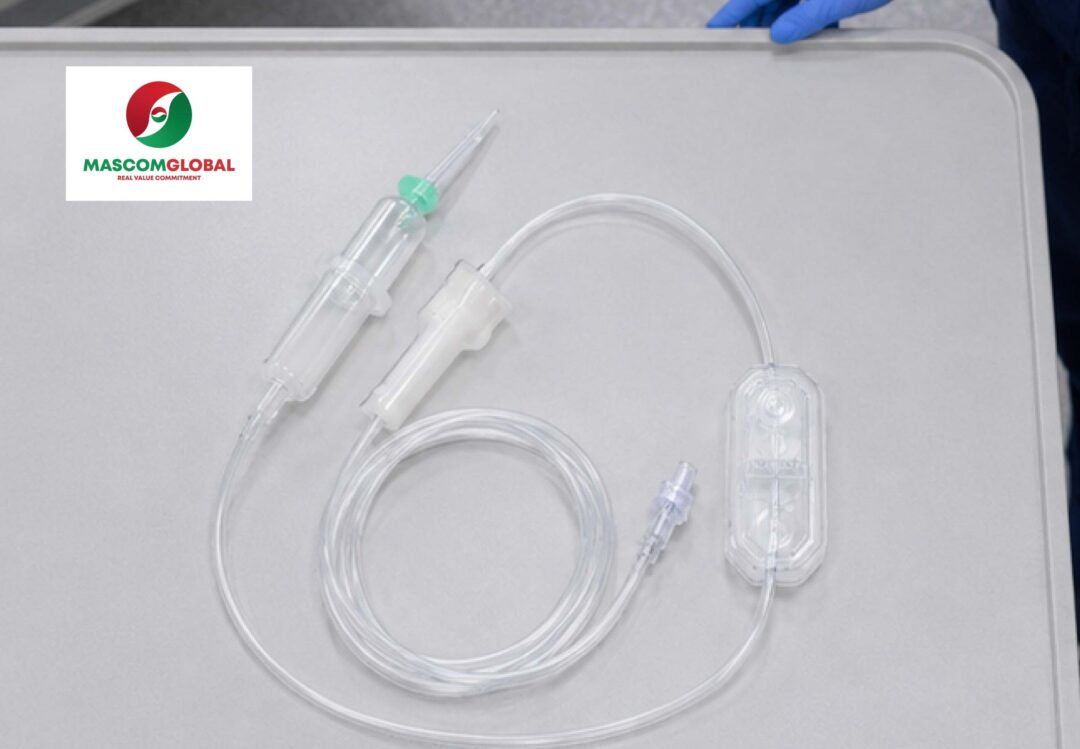
(Illustrative purpose only)
Medical TPE (Thermoplastic Elastomer) is a class of polymer materials that combine the elasticity of rubber with the processing advantages of thermoplastics. Unlike traditional rubber, TPE can be melted, molded, and recycled without requiring vulcanization. Medical-grade TPE is specifically engineered to meet stringent healthcare requirements, offering:- Excellent flexibility and softness
- High biocompatibility
- Ease of processing through injection molding and extrusion
- Cost efficiency compared to conventional elastomers
- IV tubing and fluid transfer systems
- Medical seals and gaskets
- Surgical device components
- Wearable medical products
- Medical packaging
-
Composition of Medical TPE
2.1. Base Polymers
The backbone of Medical TPE typically includes:- SEBS (Styrene-Ethylene-Butylene-Styrene) The most commonly used polymer in medical applications due to its stability, softness, and non-toxic nature.
- SBS (Styrene-Butadiene-Styrene) Provides excellent elasticity but is less commonly used in high-end medical applications.
- TPU (Thermoplastic Polyurethane) Known for its superior mechanical strength, abrasion resistance, and durability.
2.2. Medical-Grade Plasticizers
Plasticizers are added to improve flexibility and softness. In medical TPE:- Only medical-grade oils are used
- They must be non-toxic and compliant with regulatory standards
2.3. Functional Additives
To meet demanding application requirements, Medical TPE formulations include:- Heat stabilizers for thermal resistance
- Antioxidants to prevent material degradation
- Antimicrobial agents (in specialized applications)
2.4. Fillers and Cost Optimization
In some formulations, filler masterbatch may be used to:- Reduce material cost
- Improve certain mechanical properties
-
Key Properties of Medical TPE
3.1. Biocompatibility
- Free from latex, reducing allergy risks
- Free from BPA and harmful phthalates
- Suitable for direct skin and body contact
3.2. Flexibility and Soft Touch
- Rubber-like elasticity
- Comfortable for wearable and patient-contact devices
3.3. Excellent Processability
- Compatible with injection molding, extrusion, and overmolding
- Enables complex design and efficient production
3.4. Sterilization Compatibility
Medical TPE can withstand common sterilization methods such as:- Ethylene Oxide (EO)
- Gamma radiation
- Autoclaving (depending on formulation)
-
Key Standards for Medical TPE
4.1. ISO 10993 – Biological Evaluation
This is the most critical standard for medical materials:- Cytotoxicity testing
- Skin irritation and sensitization tests
- Biological response evaluation
4.2. USP Class VI
A widely recognized U.S. standard that includes:- Systemic toxicity testing
- Intracutaneous reactivity tests
- Implantation studies
4.3. FDA Compliance
Medical TPE must comply with FDA regulations, ensuring:- Safety for food and medical contact
- No use of restricted or harmful substances
4.4. RoHS and REACH
- RoHS restricts hazardous substances such as heavy metals
- REACH regulates chemical safety in the European market
4.5. Latex-Free and Phthalate-Free Requirements
Modern medical materials must:- Be latex-free to prevent allergic reactions
- Avoid phthalates, which may pose health risks
-
Applications of Medical TPE
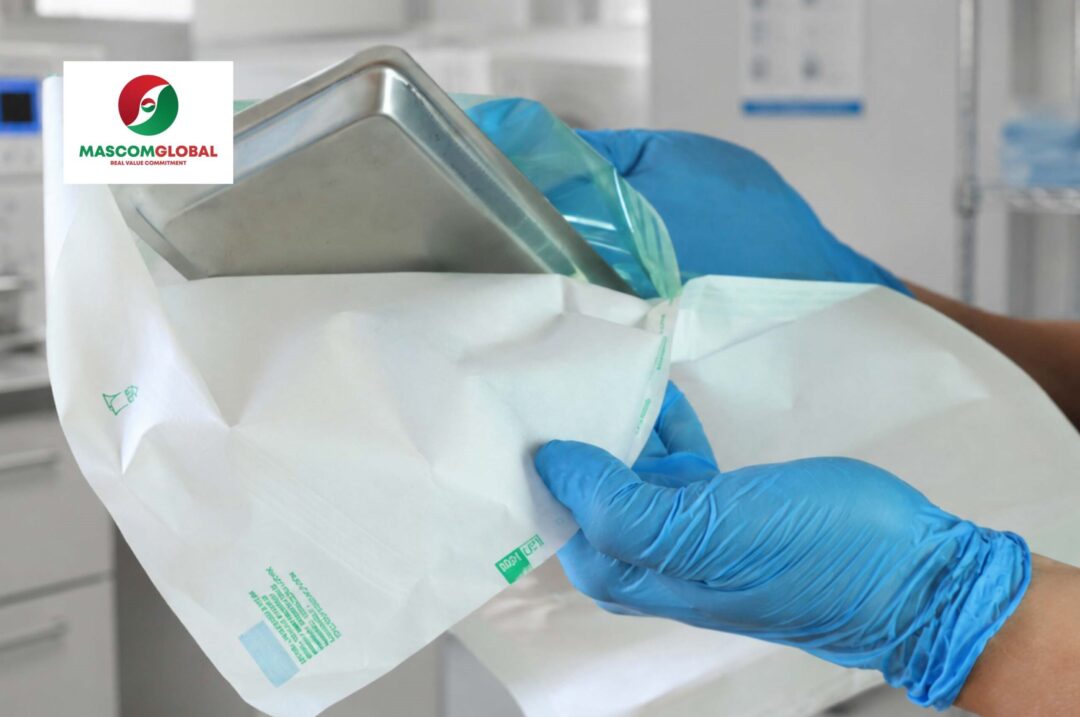
(Illustrative purpose only)
Medical TPE is widely used across various healthcare applications due to its versatility:- IV and infusion tubing
- Catheters and fluid delivery systems
- Seals and closures for medical devices
- Surgical instrument grips
- Medical packaging and protective components
-
Industry Trends and Future Development
6.1. Enhanced Safety
- Development of ultra-pure, biocompatible materials
- Elimination of all potentially harmful additives
6.2. Sustainability
- Recyclable and eco-friendly formulations
- Reduced environmental impact during production
6.3. High Performance
- Improved transparency and durability
- Enhanced resistance to heat and sterilization processes
-
Mascom Global – Your Trusted Partner in Plastic Material Solutions
- Filler Masterbatch: Cost optimization with stable performance
- Color Masterbatch: Consistent and safe coloration solutions
- Additive Masterbatch: Functional enhancements such as UV resistance, anti-static, and thermal stability
- PVC Compound: Customized formulations for a wide range of industrial applications
- Developing optimized material formulations
- Meeting international standards and compliance requirements
- Enhancing product quality and competitiveness