What Is HDPE Pipe Connection?
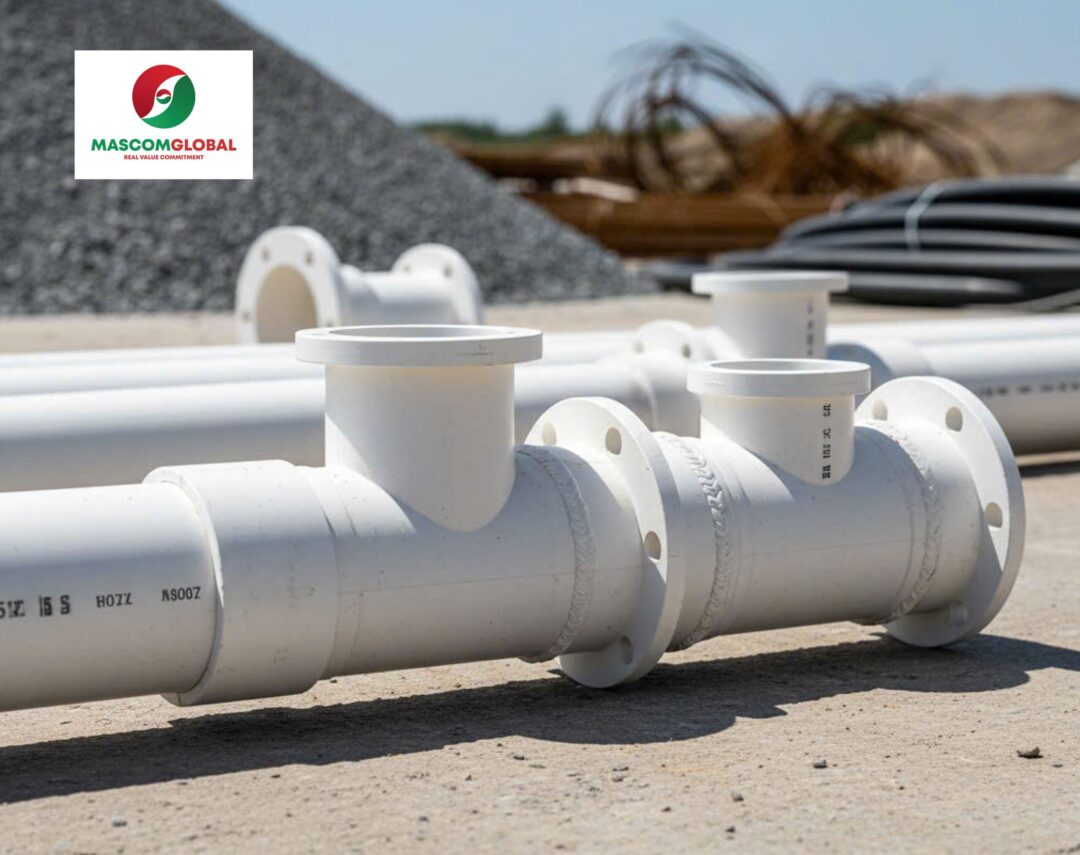 HDPE pipe connection refers to the methods used to join two or more HDPE pipes or fittings together. The goal is to create a seamless, durable, and pressure-resistant bond capable of handling harsh operating conditions. There are several common connection techniques:
- Butt Fusion Welding This is the most widely used method for HDPE pipes. The two pipe ends are heated and fused together using a fusion machine. Once cooled, the joint becomes as strong as the pipe itself.
- Electrofusion Welding Special fittings with built-in electrical heating elements are used. When electric current is applied, the fitting melts and bonds to the pipe surface, creating a strong and reliable joint. This method is ideal for confined or difficult environments.
- Socket Fusion The pipe and fitting are heated separately, then joined by inserting the pipe end into the fitting. This technique is common for smaller pipe diameters.
- Mechanical Connections Compression fittings, flange adapters, and couplings are used where welding is not suitable. These solutions allow quick installation and easy maintenance.
The Role of Filler Masterbatch in HDPE Pipe Connection Applications
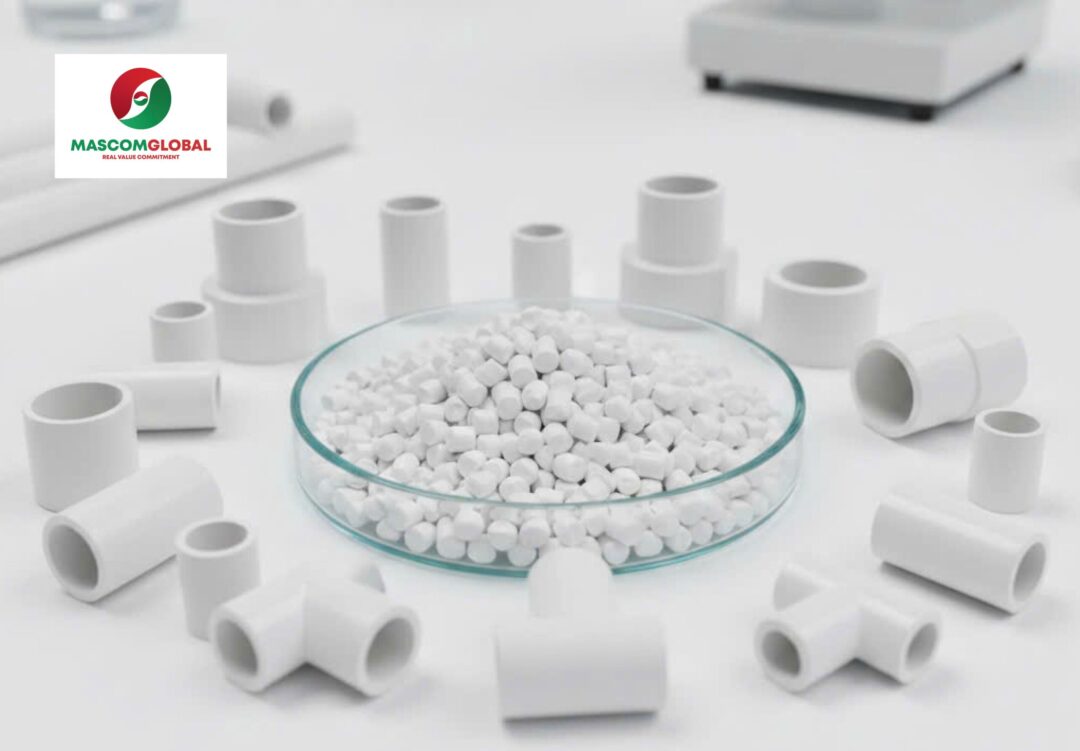
Filler Masterbatch is a concentrated blend of mineral fillers (commonly CaCO₃, Talc, or other engineered minerals) combined with a polymer carrier. While it is often used to reduce raw material cost, its benefits in HDPE pipe applications extend far beyond economics.1. Improving Dimensional Stability
HDPE is inherently flexible, which is an advantage in piping applications. However, in pipe connection processes — especially fusion welding — excessive flexibility can be a disadvantage. Filler Masterbatch helps to:- Reduce shrinkage during cooling
- Improve shape retention
- Maintain consistent wall thickness
2. Enhancing Mechanical Properties
High-quality Filler Masterbatch can strengthen certain aspects of the pipe structure, such as:- Surface hardness
- Abrasion resistance
- Pressure resistance (depending on filler type)
3. Improving Compatibility for Fusion Welding
An important factor in HDPE pipe connection is ensuring uniform heat distribution during the fusion process. Properly dispersed filler particles prevent:- Hot spots
- Melt flow inconsistency
- Weak fusion joints
4. Cost Optimization Without Compromising Quality
Filler Masterbatch allows manufacturers to reduce the amount of pure HDPE used while maintaining essential pipe properties. For thick-walled pipes or non-pressure piping systems, filler usage may significantly reduce production cost. When used in pipe fittings, couplings, and connection parts, it provides structural stability at a lower cost.How to Use Filler Masterbatch for HDPE Pipe Connection Applications
Recommended Usage Rates
- For standard HDPE pipes: 5–20% depending on required mechanical strength
- For fittings, connectors, and joints: 10–30%, depending on product design
- For fusion-compatible parts: use fine-particle, high-dispersion fillers
Processing Tips
- Ensure uniform dispersion using proper mixing techniques.
- Maintain recommended extrusion temperatures for HDPE.
- Choose filler masterbatch specifically designed for HDPE to avoid weak welds.
- Test pipe and joint pressure ratings before mass production.