
Desiccant masterbatch is an effective solution for moisture control in plastic manufacturing—an often overlooked factor that can significantly impact product quality. Even a small amount of moisture in raw materials can lead to defects such as air bubbles, uneven surfaces, reduced mechanical strength, and instability during processing.
This article provides a comprehensive overview of desiccant masterbatch, including its working mechanism, key benefits, and the reasons why it is becoming an increasingly essential solution in the modern plastics industry.
What is Desiccant Masterbatch?
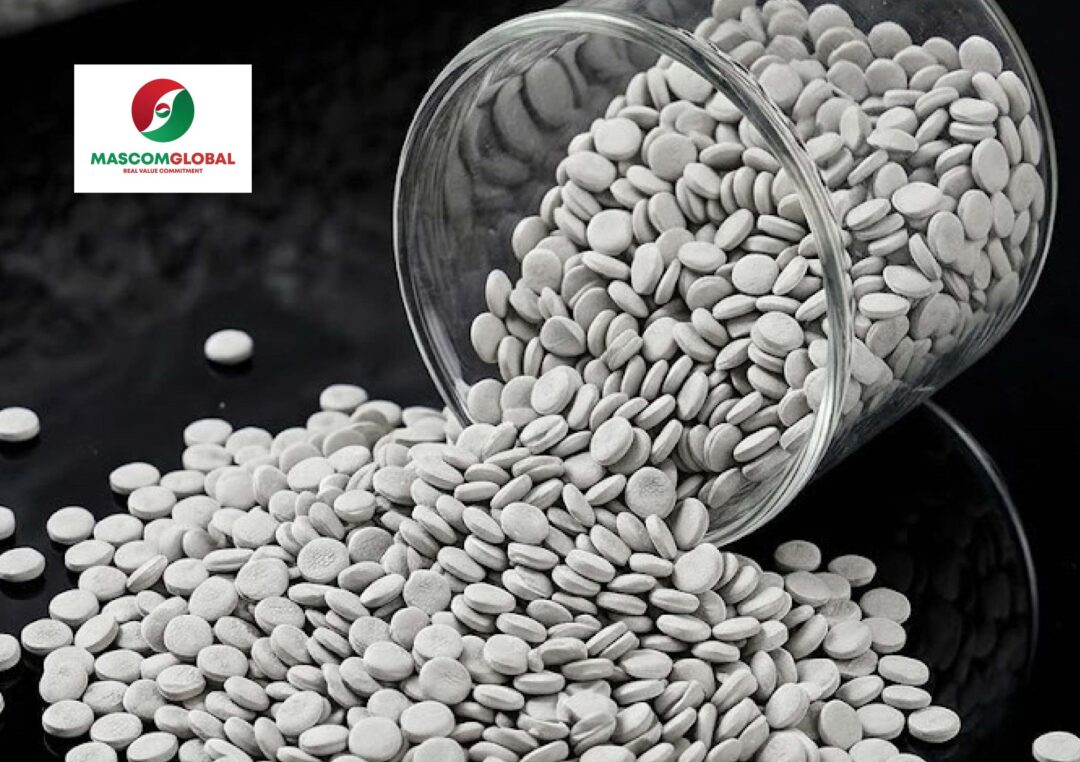
(Illustrative purpose only)
Desiccant masterbatch is a functional additive used in plastic processing to absorb moisture present in recycled or virgin plastic materials during extrusion or molding. It is typically composed of:- A carrier resin (such as PE or PP)
- Moisture-absorbing agents (commonly calcium oxide or other desiccant compounds)
- Processing additives for better dispersion
Why Moisture is a Serious Problem in Plastic Production
Moisture contamination is especially common when using recycled plastics or improperly stored raw materials. When these materials are processed at high temperatures, moisture evaporates and creates:- Air bubbles or voids in films and molded products
- Surface defects such as streaks, pinholes, or rough textures
- Reduced mechanical strength and durability
- Poor transparency and inconsistent appearance
How Desiccant Masterbatch Works
This additive functions by chemically absorbing and binding moisture during the melting stage of plastic processing. Rather than allowing water to vaporize and form bubbles, the desiccant agent retains the moisture and converts it into stable compounds. This process offers several advantages:- Eliminates the need for pre-drying in many applications
- Prevents moisture-related defects in real time
- Improves process stability and consistency
Key Benefits of Using Desiccant Masterbatch
- Eliminationof Moisture-Related Defects
- ImprovedProduction Efficiency
- Shorter processing time
- Reduced energy consumption
- Lower operational costs
- Cost Optimization
- EnhancedProduct Quality
- Compatibilitywith Various Polymers
- Polyethylene (PE)
- Polypropylene (PP)
- Recycled plastic blends
Applications of Desiccant Masterbatch
Desiccant masterbatch is widely used across various plastic manufacturing sectors, particularly in applications where moisture contamination is common.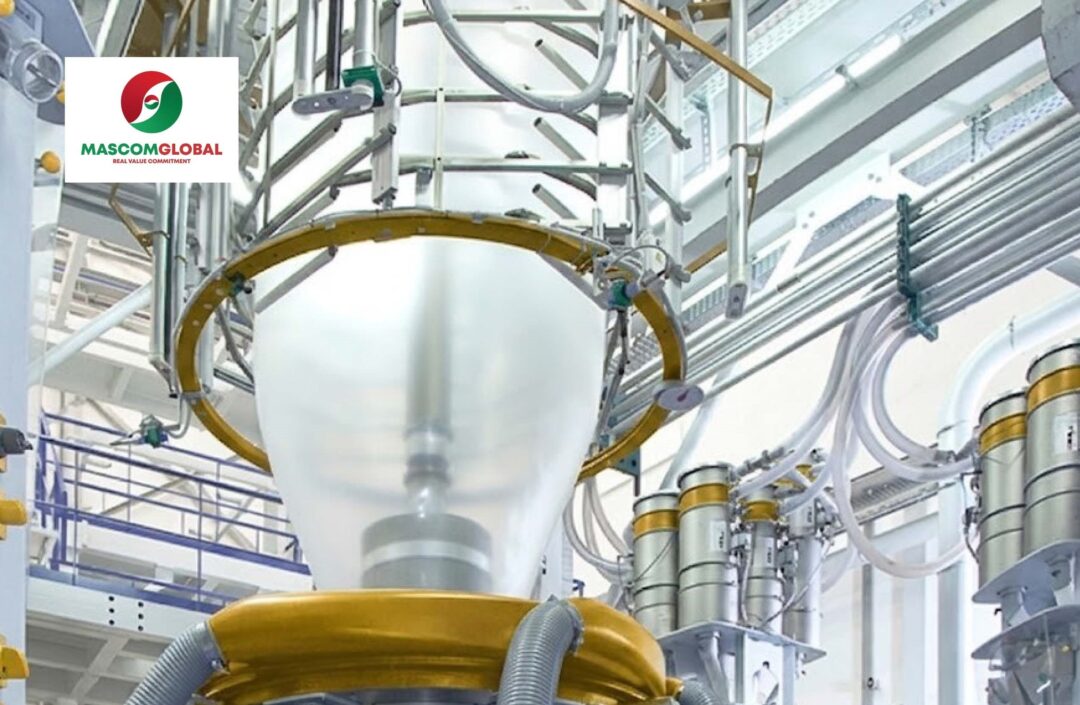
(Illustrative purpose only)
Blown Film Production
In film blowing, even small amounts of moisture can cause bubbles and reduce film quality. Desiccant masterbatch helps produce smoother films with fewer defects.Injection Molding
Moisture can result in voids and structural weaknesses in molded products. The use of this additive helps improve structural performance and surface finish.
Recycled Plastic Processing
Recycled materials often contain residual moisture. Desiccant masterbatch enables manufacturers to reuse these materials efficiently without extensive drying.Plastic Bags and Packaging
In the production of T-shirt bags, shopping bags, and packaging films, this additive improves appearance and reduces rejection rates.
Choosing the Right Desiccant Masterbatch
To achieve optimal results, manufacturers should select the most suitable additive based on:- Moisture absorption capacity
- Compatibility with base polymer
- Dispersion quality
- Processing temperature stability
Mascom Global – A Reliable Supplier of Desiccant Masterbatch
In response to the growing demand for efficient moisture control solutions, Mascom Global has developed a range of high-performance desiccant masterbatch products tailored for different plastic applications. With advanced production technology, strict quality control, and extensive experience in the plastics industry, Mascom Global ensures:- Stable moisture absorption performance
- Excellent dispersion in polymer systems
- Compatibility with both virgin and recycled plastics
- Consistent quality across production batches