What Is Carbon Black?
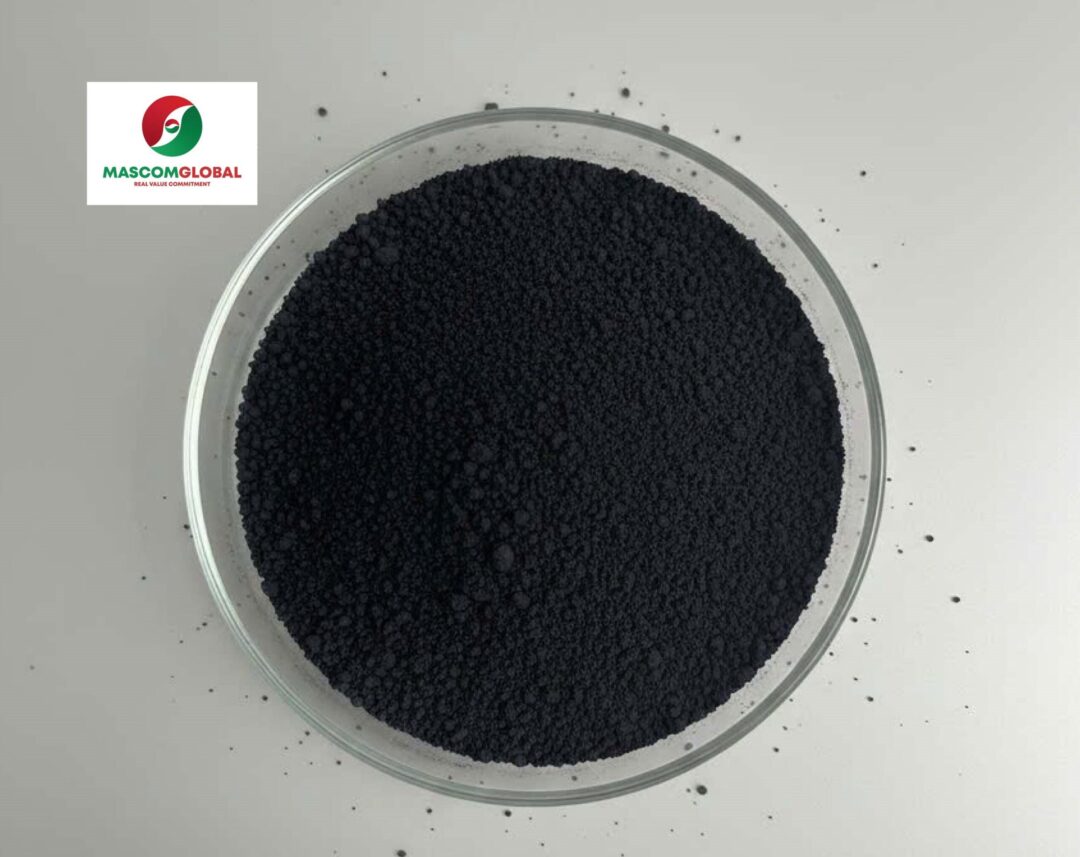 Carbon Black is a form of amorphous carbon produced through the incomplete combustion or thermal decomposition of hydrocarbon feedstocks. It exists as ultrafine particles in the nanometer range, which aggregate into complex chain-like and clustered structures with an exceptionally high specific surface area.
This unique morphology gives Carbon Black its outstanding ability to absorb light, block ultraviolet radiation, conduct heat, and reinforce polymer matrices. As a result, it is not merely a coloring agent; it is a critical technical additive widely used across the polymer industry.
Carbon Black is a form of amorphous carbon produced through the incomplete combustion or thermal decomposition of hydrocarbon feedstocks. It exists as ultrafine particles in the nanometer range, which aggregate into complex chain-like and clustered structures with an exceptionally high specific surface area.
This unique morphology gives Carbon Black its outstanding ability to absorb light, block ultraviolet radiation, conduct heat, and reinforce polymer matrices. As a result, it is not merely a coloring agent; it is a critical technical additive widely used across the polymer industry.
Key Technical Characteristics
During plastic processing, Carbon Black has a direct impact on both aesthetic quality and functional performance. When properly selected and applied, it delivers a deep, uniform black color with stable gloss while maintaining consistent material behavior under demanding processing conditions. Beyond coloration, it enhances thermal stability during extrusion, blown film, and injection molding, reducing the risk of polymer degradation. For outdoor applications, it acts as a highly effective UV stabilizer, significantly slowing down photo-oxidative aging and extending the service life of plastic products exposed to sunlight and harsh environments. These combined properties make it an essential performance driver rather than a cosmetic additive.Applications in the Plastics Industry
Carbon Black is widely used across multiple plastic applications, each with distinct technical requirements regarding dispersion quality, particle structure, and loading levels. Plastic Application Primary Role of Carbon Black Blown Film Enhances opacity, deep black coloration, and UV resistance Industrial Packaging Improves color consistency and mechanical durability HDPE / PP Pipes Extends outdoor service life and resists aging Pallets and Crates Increases stiffness and reduces cracking Engineering Plastics Improves thermal stability and processing efficiency However, the effectiveness of it in these applications depends not only on the material itself, but also on how it is introduced into the polymer system.