
1. What Are UV Stabilizers?
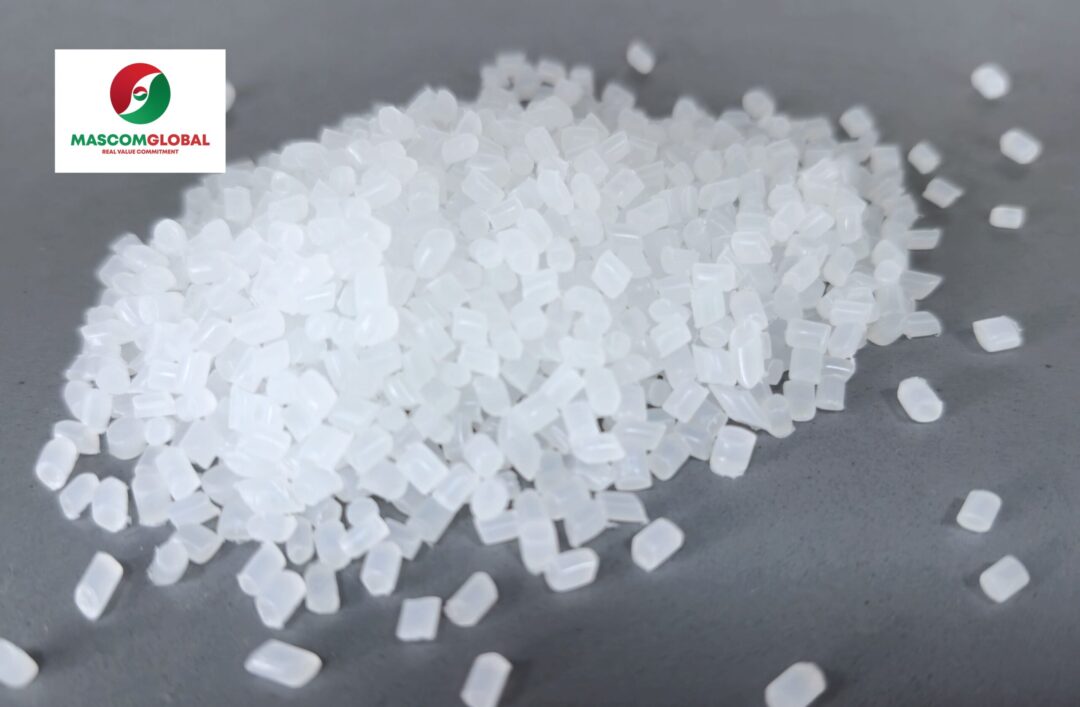 UV stabilizers are additives designed to protect plastics from the damaging effects of ultraviolet radiation. When polymers absorb UV light, their molecular chains start to break down — causing discoloration, reduced tensile strength, surface cracking, and early product failure.
UV stabilizers act like a “shield” by either:
UV stabilizers are additives designed to protect plastics from the damaging effects of ultraviolet radiation. When polymers absorb UV light, their molecular chains start to break down — causing discoloration, reduced tensile strength, surface cracking, and early product failure.
UV stabilizers act like a “shield” by either:
- Absorbing UV light
- Neutralizing free radicals created by UV exposure
- Blocking or reducing the penetration of harmful UV energy
2. What Happens When Plastics Lack UV Stabilizers?
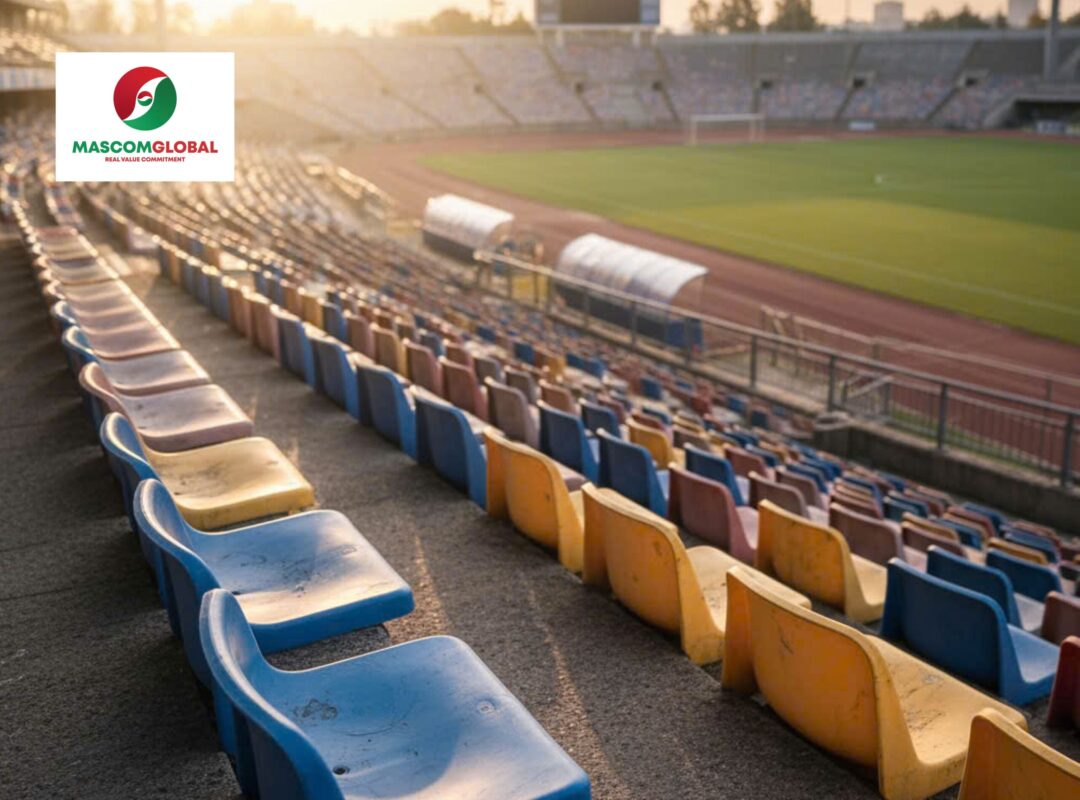
Without proper UV protection, plastics can show visible damage within months. Common issues include:- Yellowing or color fading
- Surface cracking and brittleness
- Drop in tensile strength
- Raffia yarn breakage during stretching
- Haze or whitening in blown film
- Stress cracking in injection-molded products
- Shortened product lifespan
3. Common Types of UV Stabilizers in the Plastics Industry
3.1 UV Absorbers
These compounds absorb UV radiation and convert it into harmless heat. Common types include:- Benzotriazole
- Benzophenone
- Triazine
3.2 HALS (Hindered Amine Light Stabilizers)
HALS do not absorb UV light. Instead, they neutralize free radicals formed during photodegradation. Advantages:- Long-term protection
- Effective at low dosage
- Highly suitable for PE & PP
- Raffia
- Woven sacks
- Blow film
- Injection molding
- Outdoor PP/PE applications
3.3 Quenchers
These stabilizers reduce energy in excited polymer molecules, preventing UV damage. They are used in niche applications.4. Where Are UV Stabilizers Used?
UV stabilizers are essential for:- Agricultural films (greenhouse, mulch, lamination film)
- PP woven bags (fertilizer bags, rice bags, BOPP laminated sacks)
- Raffia yarn & ropes
- Outdoor furniture
- PE pipes & drip irrigation systems
- Technical components exposed to sunlight
- 1–3% in UV masterbatch
- 0.1–0.5% in the final product
5. Key Benefits of Using UV Stabilizers
When formulated correctly, UV stabilizers can deliver:- 2–5 years of UV protection, depending on exposure level
- Improved resistance to cracking and brittleness
- Better tensile strength and durability
- Superior color retention
- Lower scrap rates
- Fewer machine stoppages and smoother processing
6. How to Choose the Right UV Stabilizer (for Asian Manufacturers)
6.1 Choose Based on Polymer Type
- PE, PP → HALS
- PET, PC → UV absorbers
6.2 Evaluate Sunlight Exposure
- 6 months: basic UV package
- 1–2 years: medium-level HALS
- 3–5 years: HALS + UV absorber combination
6.3 Color Requirements
Light-colored or transparent products may require special UV absorbers to prevent yellowing.6.4 Processing Technology
- Raffia: choose HALS suitable for high stretching ratios
- Blown film: select stabilizers with superior dispersion
- Injection molding: use heat-stable grades
7. Insights from Mascom Global
Manufacturers across Asia, Europe, and the Americas use Mascom Global’s UV masterbatch for applications such as greenhouse films, PP woven bags, nonwoven fabric, and blow film. Key advantages of Mascom’s UV solutions include:- Advanced formulation designed for long-term outdoor durability
- Excellent dispersion using European-standard processing
- Combined UV + antioxidant packages for extended service life
- High compatibility with both PP and PE
- Reduced yarn breakage in raffia production
8. Best Practices for Using UV Stabilizers
- Recommended dosage: 2–5% UV masterbatch
- Store additives in cool, dry conditions
- Avoid mixing multiple UV packages without technical guidance
- Test color stability if the product requires high color retention
- Perform small pilot runs before mass production