
1. What Are UV Light Stabilizers Additives?
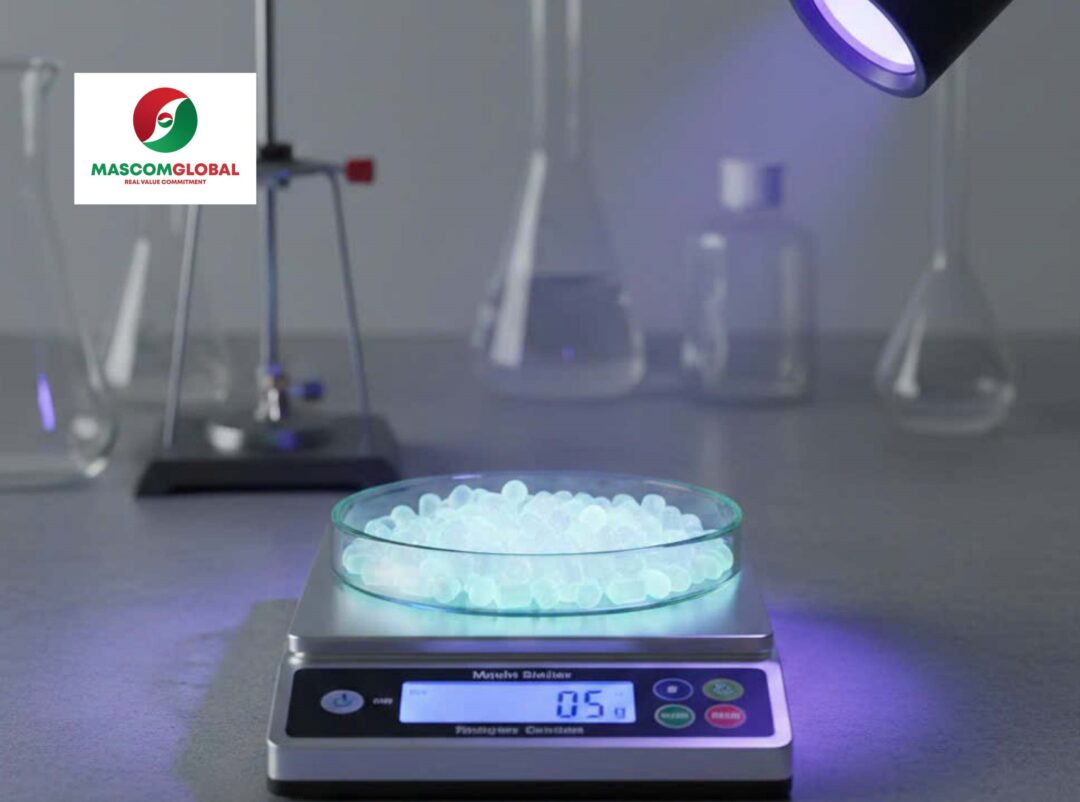
- Prevent photo-degradation and light-induced aging
- Maintain color stability over time
- Preserve mechanical properties
- Extend product service life, especially in outdoor applications
2. Why Is UV Radiation Harmful to Plastics?
UV radiation carries high energy. When it penetrates plastic materials, it triggers harmful chemical reactions such as:- Polymer chain scission
- Material oxidation
- Molecular structure breakdown
- Formation of free radicals
- Yellowing and fading
- Surface cracking and chalking
- Reduced flexibility and increased brittleness
- Loss of aesthetic appeal and functional safety
3. How UV Light Stabilizers Additives Work?
UV Light Stabilizers Additives function through different mechanisms depending on their type.3.1 UV Absorption (UV Absorbers)
- Absorb UV radiation energy
- Convert it into harmless heat
- Prevent UV rays from reaching polymer chains
3.2 Free Radical Scavenging (HALS – Hindered Amine Light Stabilizers)
- Neutralize free radicals generated by UV exposure
- Interrupt the polymer degradation chain reaction
- Regenerate during use, providing long-term protection
3.3 Reflection or Scattering of UV Radiation
- Certain inorganic additives (such as TiO₂)
- Reflect or scatter UV rays
- Reduce UV penetration into the material
4. Common Types of UV Light Stabilizers Additives
4.1 UV Absorbers
Common chemical families include:- Benzotriazoles
- Benzophenones
- Triazines
- High efficiency against UVB radiation
- Excellent color retention
- Suitable for transparent plastics
- PC, PMMA, PET
- Coatings, films, and packaging
4.2 HALS – Hindered Amine Light Stabilizers
Key characteristics:- Long-lasting effectiveness
- Low consumption rate
- Excellent performance in outdoor environments
- PP, PE, HDPE
- Engineering plastics
- Long-term outdoor products
4.3 Inorganic UV Stabilizers
Examples include:- Titanium Dioxide (TiO₂)
- Zinc Oxide (ZnO)
- High durability
- Strong UV reflection capability
- May reduce transparency
- Typically used in colored plastics or coatings
5. Key Benefits of UV Light Stabilizers Additives
When properly applied, UV stabilizers offer significant advantages:- Protection against light-induced aging
- Long-lasting color stability
- Preservation of mechanical strength
- Extended product lifespan
- Reduced plastic waste caused by premature degradation
6. Applications of UV Light Stabilizers Additives

6.1 Outdoor Plastic Products
- Garden furniture
- Waste bins and pallets
- Outdoor plastic pipes
6.2 Packaging and Plastic Films
- Agricultural films
- Food packaging
- PE and PP films
6.3 Construction Industry
- Polycarbonate daylight panels
- Plastic roofing sheets
- Plastic doors and partitions
6.4 Automotive Industry
- Exterior components
- Interior parts exposed to sunlight
- Lamp housings and protective covers
6.5 Paints, Coatings, and Inks
- Exterior coatings
- Industrial paints
- Architectural coatings
7. UV Light Stabilizers Additives and International Standards
UV stabilizers are typically required to comply with international standards such as:- ISO 4892 – Accelerated weathering tests
- ASTM G154 / G155
- RoHS, REACH – Environmental safety regulations
- FDA / EU Food Contact (for food packaging applications)
8. Key Considerations When Using UV Light Stabilizers Additives
- Select UV stabilizers compatible with the specific polymer
- Combine UV Absorbers and HALS for optimal performance
- Control dosage to avoid negative effects on mechanical properties
- Ensure compatibility with pigments and other additives
9. Current Trends in UV Stabilizer Development
- Non-toxic and environmentally friendly UV stabilizers
- Suitable for sustainable and recycled plastics
- High efficiency at low addition levels
- Full compliance with stringent international regulations