
The Friction Challenge in Plastic Production
In the world of polymer processing — especially in film, sheet, and extrusion applications — friction is a constant, expensive, and quality-degrading enemy. High friction can lead to a host of problems: films sticking together (blocking), difficult unwinding on high-speed packaging lines, excessive wear on machinery, and high energy consumption. For manufacturers striving for both high throughput and pristine product quality, mitigating this friction is non-negotiable. The solution lies in a specialized class of chemical agents: Slip Additives. These masterbatches are crucial performance enhancers that modify the surface characteristics of plastic products, leading to smoother processing and superior end-use functionality.What Exactly Are Slip Additives?
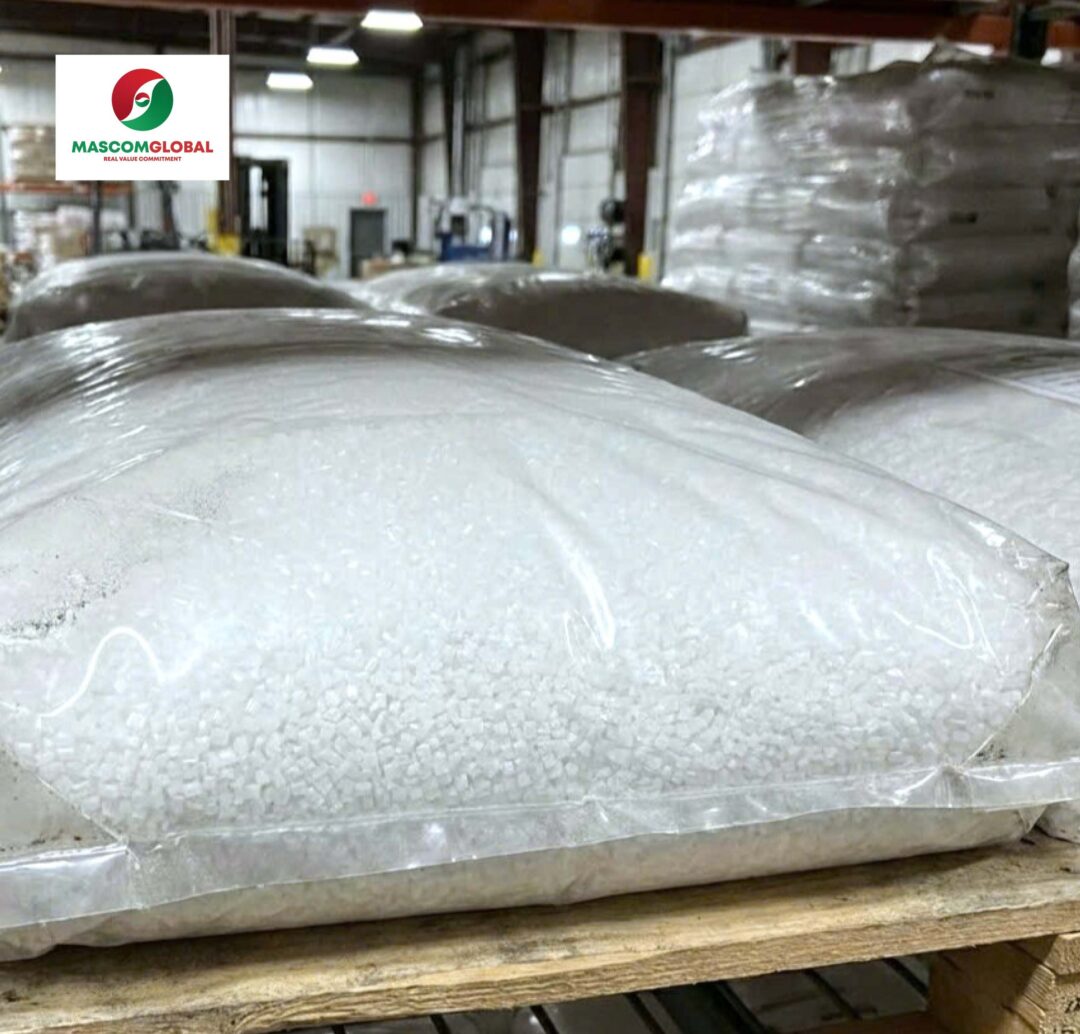 Slip additives, often incorporated into the polymer matrix via an Additive Masterbatch, are functional lubricants designed to reduce the Coefficient of Friction (COF) between two plastic surfaces or between a plastic surface and a metal surface (like rollers or processing equipment).
The Mechanism: Migration and Lubrication
The most common slip agents are fatty acid amides, primarily:- Oleamide (Fast-Bloom Slip): Known for its rapid migration to the surface. It is often used where immediate low-friction properties are required, typically within the first 24-48 hours after production.
- Erucamide (Slow-Bloom Slip): Characterized by slower migration, providing a more stable and long-lasting slip effect. Erucamide is preferred for applications where the slip properties need to be maintained over a longer shelf life, or where food contact regulations are a factor.
Core Benefits: From Production Line to End-Product
The strategic use of a high-quality slip masterbatch delivers significant advantages across the manufacturing value chain:1. Optimization of Processing Efficiency
The most immediate benefit is improved runnability. By reducing the friction between the polymer and metal components of the machinery, slip additives:- Decrease Blocking: This is particularly critical in thin films where layers tend to stick together, making unwinding difficult and leading to production stoppages.
- Facilitate Unwinding: They ensure smooth, consistent, high-speed unwinding of finished film rolls, essential for automatic packaging equipment.
- Lower Torque & Energy: Reduced internal friction can lead to lower screw torque requirements and cooler melt temperatures, potentially increasing output and reducing energy costs.
2. Enhanced Surface Characteristics
For the final product, slip agents provide superior handling and aesthetic properties:- Improved ‘Slipperiness’: This is vital for packaging that needs to slide easily, such as stacked bags, shrink wrap, or automated handling in bottling plants.
- Anti-Blocking Synergy: While slip and anti-block additives (like fine silica or talc) serve slightly different roles, a quality masterbatch often combines them to achieve the perfect balance of low COF and surface separation.
Key Applications Across the Polymer Industry
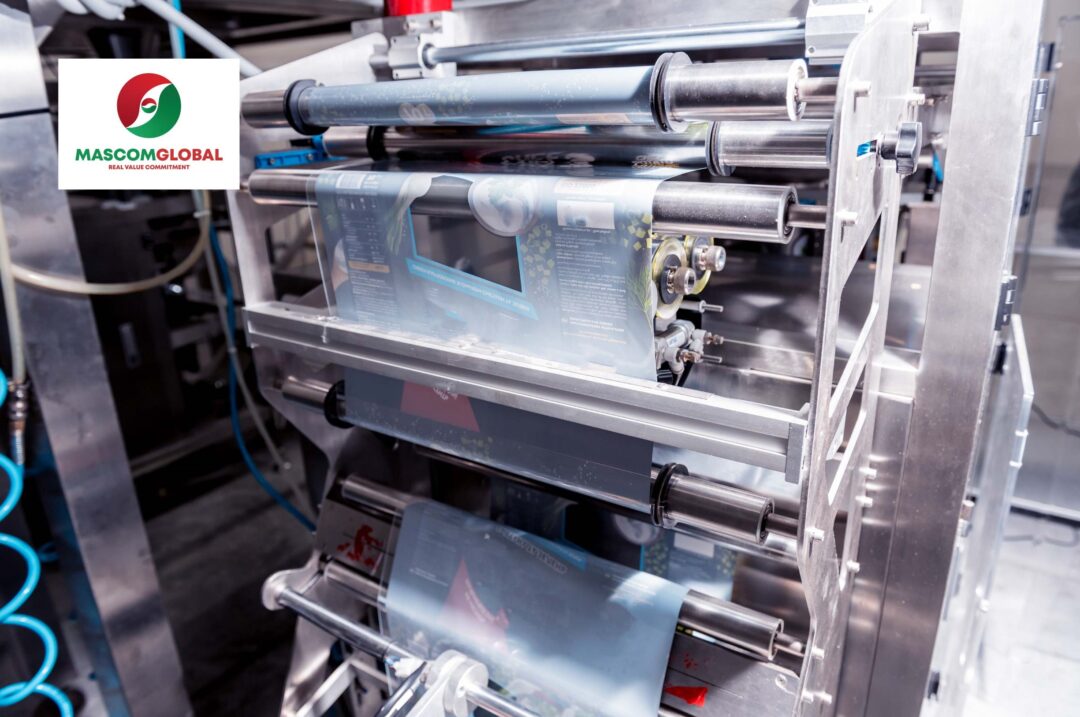 Slip additives are indispensable in any segment of the plastics industry where two polymer surfaces come into contact, or where a smooth, functional surface is required.
Application Segment
Primary Product Use
Key Function of Slip Additive
Film Extrusion
Shopping bags, industrial sacks, agricultural films, stretch film, heavy-duty shipping bags (HDS)
Prevents blocking, ensures smooth unwinding on packaging machines.
BOPP/Cast Film
Lamination films, food packaging
Achieves extremely low COF for high-speed lamination and excellent print quality.
Injection Molding
Containers, closures, housewares
Acts as an internal lubricant to improve flow, assist in mold release, and reduce ejection force.
Wire & Cable
Insulation jacketing
Lowers friction to facilitate cable pulling and installation.
To effectively meet these diverse application needs — from high-MFI films to complex injection molded parts —manufacturers require a partner with deep technical expertise in polymer chemistry. This is where companies like Mascom Global excel. As a leading masterbatch and compound manufacturer, Mascom Global provides high-quality Additive Masterbatch solutions designed to resolve specific technical and commercial challenges for customers in more than 70 countries around the world.
Slip additives are indispensable in any segment of the plastics industry where two polymer surfaces come into contact, or where a smooth, functional surface is required.
Application Segment
Primary Product Use
Key Function of Slip Additive
Film Extrusion
Shopping bags, industrial sacks, agricultural films, stretch film, heavy-duty shipping bags (HDS)
Prevents blocking, ensures smooth unwinding on packaging machines.
BOPP/Cast Film
Lamination films, food packaging
Achieves extremely low COF for high-speed lamination and excellent print quality.
Injection Molding
Containers, closures, housewares
Acts as an internal lubricant to improve flow, assist in mold release, and reduce ejection force.
Wire & Cable
Insulation jacketing
Lowers friction to facilitate cable pulling and installation.
To effectively meet these diverse application needs — from high-MFI films to complex injection molded parts —manufacturers require a partner with deep technical expertise in polymer chemistry. This is where companies like Mascom Global excel. As a leading masterbatch and compound manufacturer, Mascom Global provides high-quality Additive Masterbatch solutions designed to resolve specific technical and commercial challenges for customers in more than 70 countries around the world.
The Technical Edge: Choosing a High-Performance Masterbatch Partner
Choosing a slip additive is not just about the chemical; it’s about the quality of the masterbatch. An effective slip masterbatch must ensure:- Optimal Dispersion: Poorly dispersed slip agents can lead to surface defects (like "fisheyes") or inconsistent COF, compromising quality. Mascom Global’s focus on technical quality ensures superior dispersion in their masterbatch products.
- Precise Dosing: The concentration of the active ingredient (e.g., Erucamide) must be exact to achieve the target COF without negatively impacting other film properties like printability or heat sealing.
- Consistency (MFI & Stability): The carrier resin and the additive mixture must be stable and consistent, matching the processing parameters of the end-product manufacturer. This commitment to stability and technical performance is a core value for Mascom Global, ensuring their status as a reliable supplier of masterbatch technology.