
Why CPVC for Drinking Water?
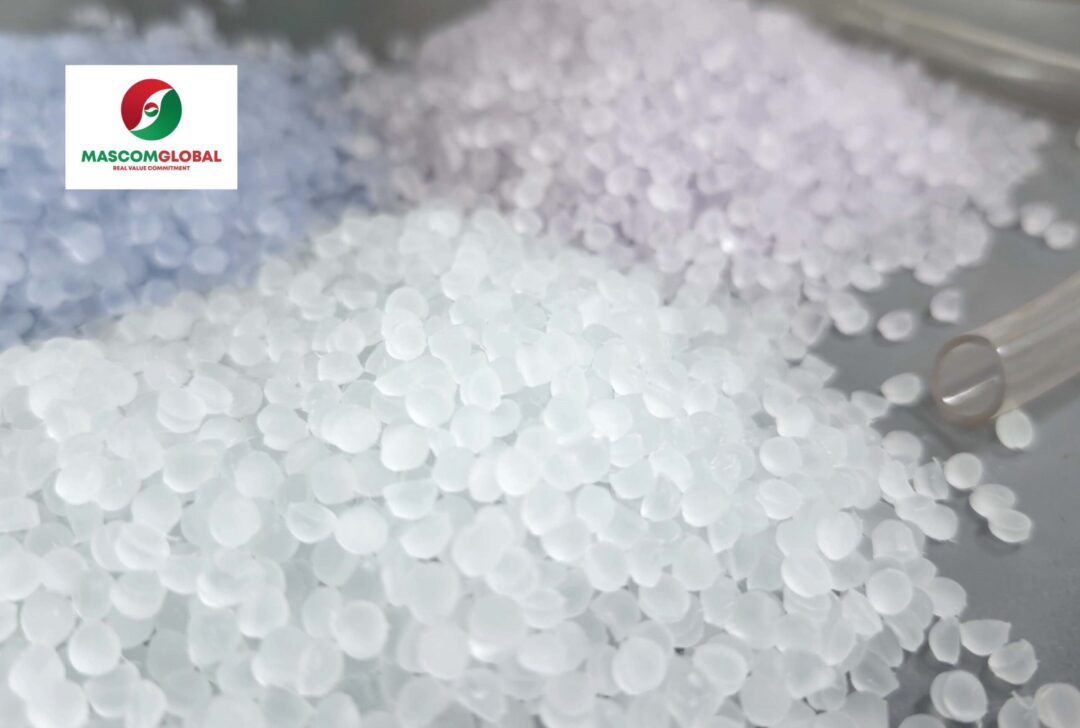
(Illustrative purposes only)
Before diving into the "CPVC pipe for drinking water" manufacturers, it is essential to understand the "Why". CPVC is produced by the chlorination of PVC resin, which significantly enhances its thermal stability. In the context of drinking water:- Bacterial Resistance: CPVC’s smooth internal surface limits biofilm growth compared to metallic pipes.
- Chemical Inertness: It does not leach harmful substances, maintaining the pH balance of drinking water.
- Ease of Installation: The solvent cement welding process ensures leak-proof joints, reducing labor costs.
The Titans of the "CPVC Pipe for Drinking Water" Industry
- Lubrizol (FlowGuard® / BlazeMaster®) - The Pioneer
- Technical Edge: Their compounds offer the highest consistency in chlorine content, ensuring uniform performance across all pipe sections.
- Market Position: They set the global standard for NSF/ANSI 61 and 14 certifications.
- Charlotte Pipe and Foundry (USA)
- Key Strength: Their focus on seamless integration. By manufacturing both the pipe and the fitting, they minimize the risk of dimensional mismatch — a common cause of leaks in potable water systems.
- Sustainability: They are leaders in implementing environmental product declarations (EPDs) for their CPVC lines.
- Ashirvad Pipes (An Aliaxis Company - India/Global)
- Innovation: They utilize advanced FlowGuard® technology but have optimized the manufacturing process for high-pressure residential and commercial complexes.
- Global Reach: With massive production capacities, they are the go-to supplier for large-scale infrastructure projects across Asia and the Middle East.
- Georg Fischer (GF Piping Systems - Switzerland)
- Quality Control: GF employs rigorous ultrasonic testing during extrusion to ensure zero wall-thickness variations.
- Specialization: Their systems are highly favored for hot and cold water distribution in hospitals and luxury hotels where water hygiene is paramount.
- Sekisui Chemical (Japan)
- Key Strength: R&D in molecular bonding, which makes their CPVC pipe for drinking water exceptionally durable against the chlorine and chloramines found in modern city water treatments.
Technical Sourcing: What to Look For
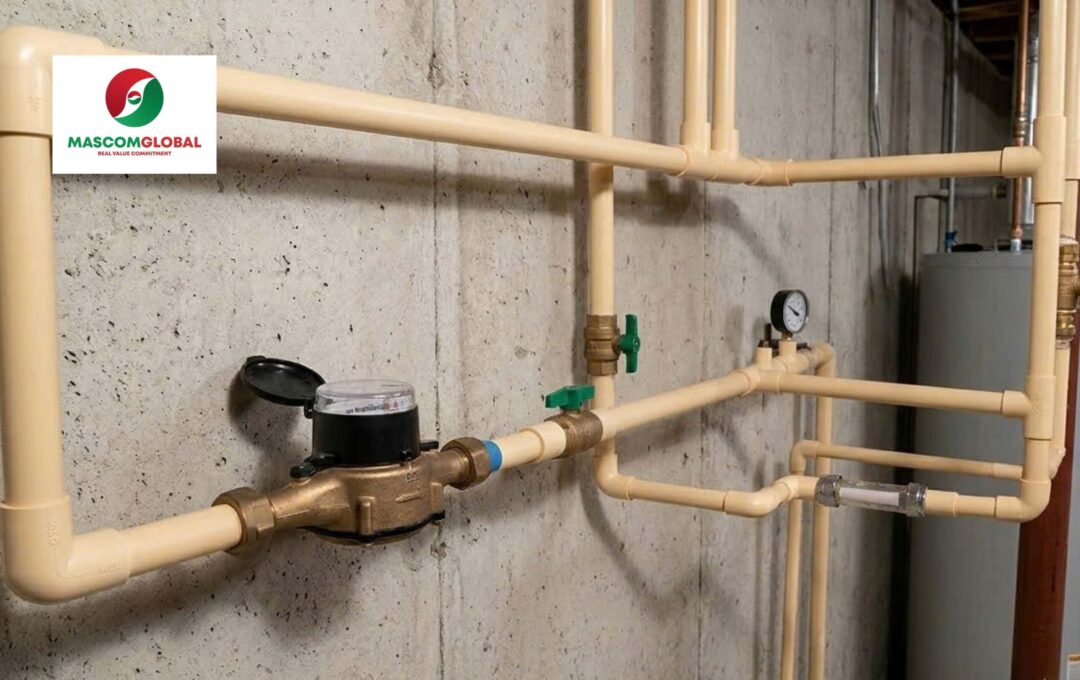
(Illustrative purposes only)
When evaluating a "CPVC pipe for drinking water" manufacturer for a potable water project, 20 years of industry experience tells me you must look beyond the price per meter. Focus on:- Certification: Ensure they hold NSF/ANSI 61 (for drinking water) and NSF/ANSI 14 (for performance).
- Melt Flow Stability: Inconsistent extrusion can lead to brittle spots. Ask for the TDS (Technical Data Sheet) and compare the tensile strength.
- Hydrostatic Design Basis (HDB): Verify the long-term hydrostatic strength at 82°C (180°F) to ensure the pipes won't fail under constant hot water pressure.