
1️⃣ Filler Masterbatch – Balancing Cost and Performance
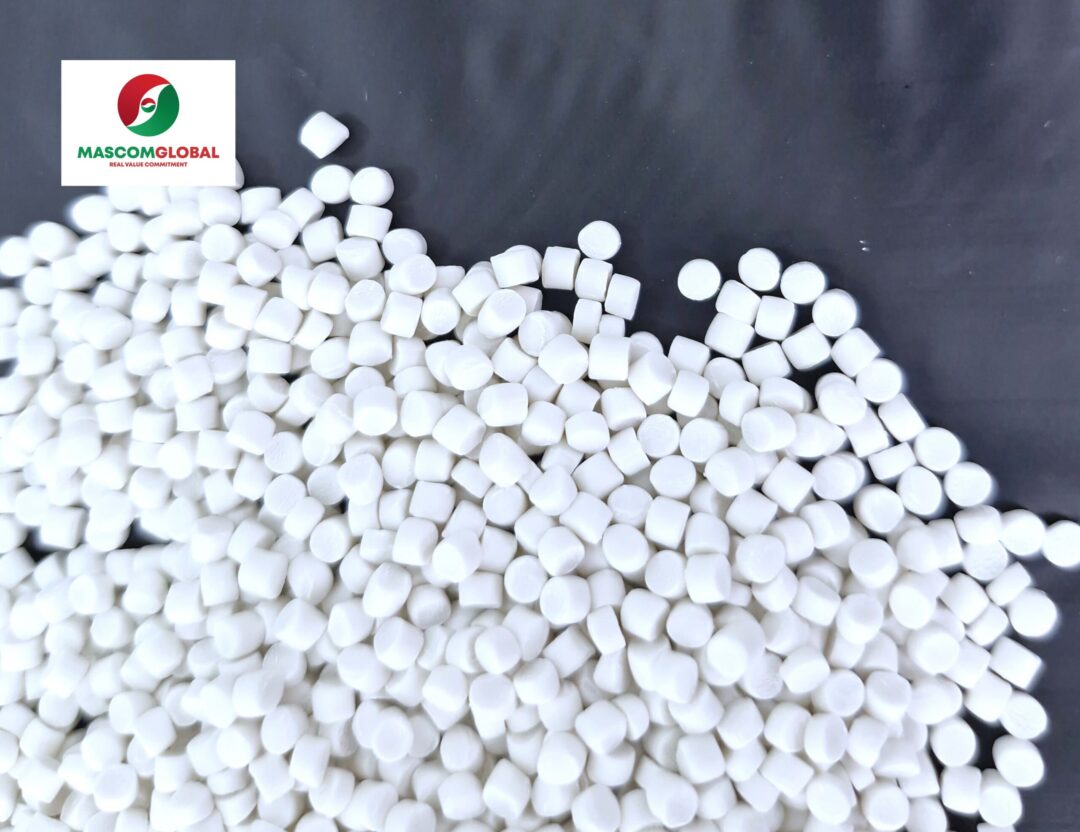
Filler Masterbatch is a cost-effective additive widely used in the plastics industry. It consists of ultra-fine calcium carbonate (CaCO₃) dispersed in polymer carriers such as PP, PE, PS, or PVC. A small amount of dispersing or coupling agents is added to improve compatibility and flow during processing. When blended with virgin resin, Filler Masterbatch provides several notable benefits:- 💰 Significant cost reduction: CaCO₃ filler replaces part of the more expensive polymer resin, lowering raw material costs without sacrificing essential properties.
- ⚙️ Enhanced stiffness and dimensional stability: Filler improves rigidity, reduces deformation, and helps products maintain their shape during forming and cooling.
- ⚡ Reduced shrinkage and static charge: This leads to smoother printing, improved handling, and better mechanical stability during production.
- 🔥 Improved thermal stability and heat dissipation: CaCO₃ helps distribute heat more evenly, reducing the chances of warping and ensuring consistent product quality.
- 🧪 Better processability: Filler can improve melt strength and extrusion smoothness in applications like blown film or sheet extrusion.
2️⃣ Recommended Filler Masterbatch Ratios by Application
Below is a practical guideline for filler usage across major plastic applications. Actual ratios may vary depending on resin quality, product requirements, and machine conditions. No. Plastic Applications Base Resin Filler Masterbatch Ratio Key Benefits 1 Blown Film (garbage bags, carry bags, shopping bags, agricultural films, industrial packaging bags, liners, etc.) LDPE / LLDPE / HDPE 10 – 50% Maintain flexibility, improve film drawability. 2 Pipe Extrusion PP / PE / PVC 10 – 40% Increase stiffness, stabilize pipe diameter. 3 Tarpaulin HDPE 10 – 30% Improve stiffness and dimensional stability while retaining adequate flexibility. 4 Blow Molding (bottles, cans, drums) HDPE / PP 10 – 30% Optimize container rigidity, reduce resin cost. 5 Injection Molding PP / PS / HIPS 10 – 30% Stabilize dimensions, reduce shrinkage. 6 Thermoforming PP / PS / PET 15 – 40% Increase stiffness, reduce deformation during forming. 7 PP Woven Sack / Raffia PP 10 – 35% Reduce yarn cost, increase stiffness and fabric strength. 8 Non-Woven Fabric PP 10 – 35% Improve surface smoothness, reduce static. 9 PVC Compound PVC 20 – 50% Enhance compressive strength and surface hardness. Choosing the correct filler ratio depends on several important factors:• Polymer Type
PP and PE generally allow higher filler loading than PET or PS due to better bonding between CaCO₃ and polyolefins.• Mechanical and Visual Requirements
Products requiring transparency, high impact resistance, or strong tensile strength typically require lower filler ratios.• CaCO₃ Particle Size
Ultra-fine particles (1 – 2 μm) disperse more effectively, enabling higher filler levels while maintaining good surface quality and mechanical strength.• Machine Technology
Machines with stable temperature zones, proper screw design, and precise die control can handle higher filler content with better dispersion.• End-use Functionality
Applications like food packaging or medical films may require stricter mechanical or safety standards, affecting allowable filler levels.4️⃣ Mascom Global Solutions
With extensive export experience to over 30 markets, Mascom Global offers specialized filler masterbatches engineered for maximum performance:- 🟡 PP Filler Masterbatch – optimized for woven sacks, thermoforming, and injection molding.
- 🟢 PE Filler Masterbatch – suitable for blown film, blow molding, and extrusion.
- 🔵 PVC Filler Masterbatch – ideal for pipes, profiles, and general-purpose compounds.
- Particle size D97 < 5 μm
- Whiteness index > 98%
- Excellent dispersion
- High thermal stability
- Controlled moisture and CO₂ content
5️⃣ Practical Operation & Testing Considerations
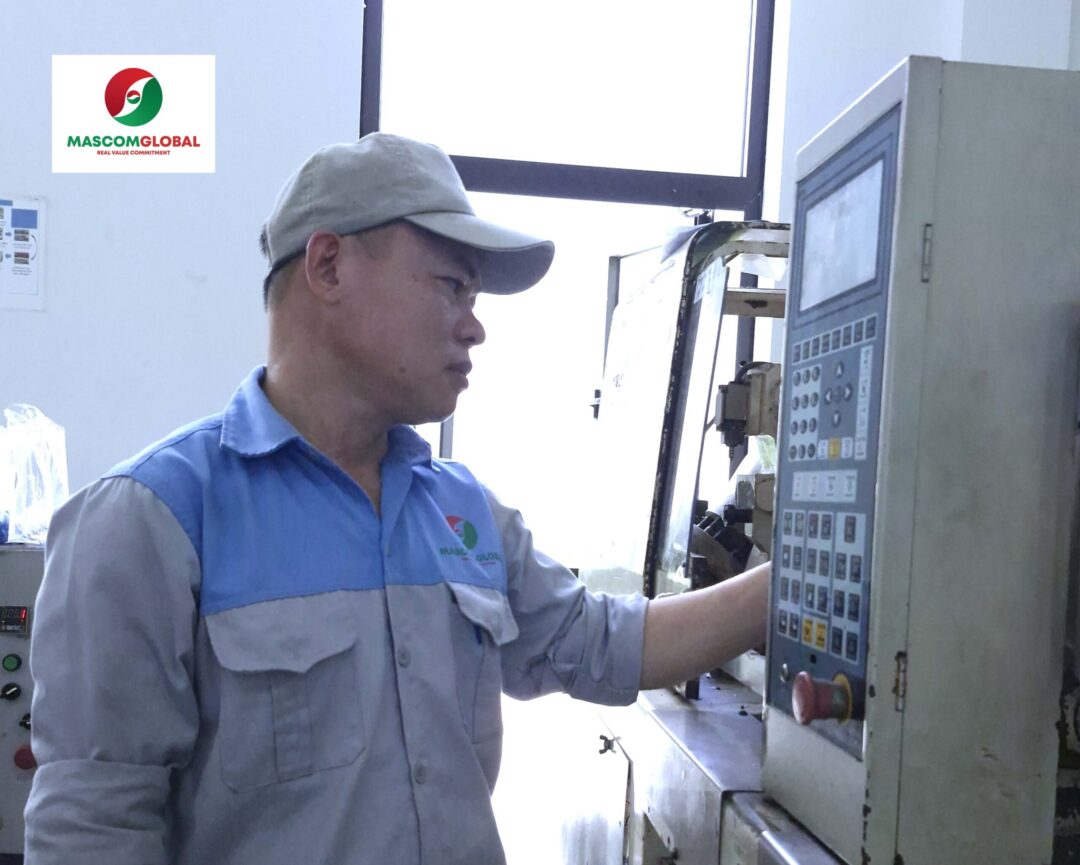
To determine the optimal filler loading for your application, consider the following:- Start with small steps: Begin with 10 – 15% loading, then gradually increase while monitoring flexibility, tensile strength, and overall performance.
- Control processing temperature: Excessive heat can cause yellowing or reduce gloss. Optimal temperature improves dispersion and surface quality.
- Ensure proper drying: Moisture in filler can cause bubbles, fish-eyes, or voids in the final product. Pre-drying improves consistency.
- Evaluate appearance and functionality: Look for uniform color, smooth surface, printability, and lack of haze or streaks.
- Match carrier resin with your base polymer: Using PP-based filler for PP and PE-based filler for PE ensures compatibility and superior bonding.