
-
What is Glass Reinforced Polymer (GRP)?
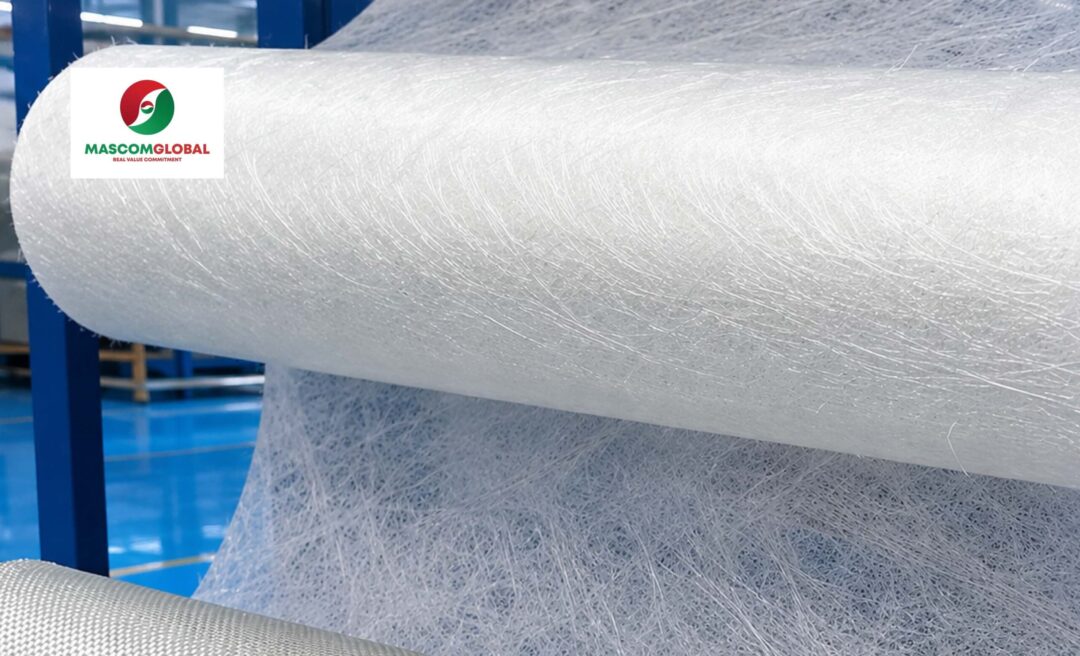
(Illustrative purpose only)
Glass Reinforced Polymer (GRP) is a composite material consisting of two primary components:- The Matrix (Resin): Typically thermosetting plastics such as Polyester, Vinyl Ester, or Epoxy. The resin acts as the binder, protecting the glass fibers and transferring structural loads between them.
- The Reinforcement (Glass Fiber): Ultra-fine glass fibers woven or randomly arranged. This is the primary load-bearing component, providing the material with its high tensile strength and stiffness.
-
Key Advantages of Glass Reinforced Polymer (GRP)
2.1. High Strength-to-Weight Ratio
GRP offers strength comparable to steel but at only 1/4 of the weight. This drastically reduces costs associated with transportation, handling, and installation, while lowering the dead load on structural foundations.2.2. Absolute Corrosion Resistance
Unlike steel, which suffers from oxidation (rust), or concrete, which degrades in saline environments, GRP is almost entirely inert to chemicals, seawater, and acidic environments. This makes it the #1 choice for shipbuilding and wastewater treatment plants.2.3. Non-Conductive and Non-Magnetic
Glass Reinforced Polymer (GRP) is a perfect electrical insulator and does not interfere with radio frequencies. This characteristic is vital for constructing telecommunication towers or protective housings for sensitive electronic equipment.2.4. Longevity and Low Maintenance
A GRP piping system has a design life of up to 50 years with virtually zero maintenance. It does not require periodic painting, galvanizing, or cathodic protection like metallic alternatives.2.5. Design Flexibility
GRP can be molded into virtually any complex shape — from aerodynamic curves for automotive parts to intricate architectural details — tasks that are difficult and expensive to achieve with metal fabrication.-
Common Glass Reinforced Polymer (GRP) Manufacturing Processes
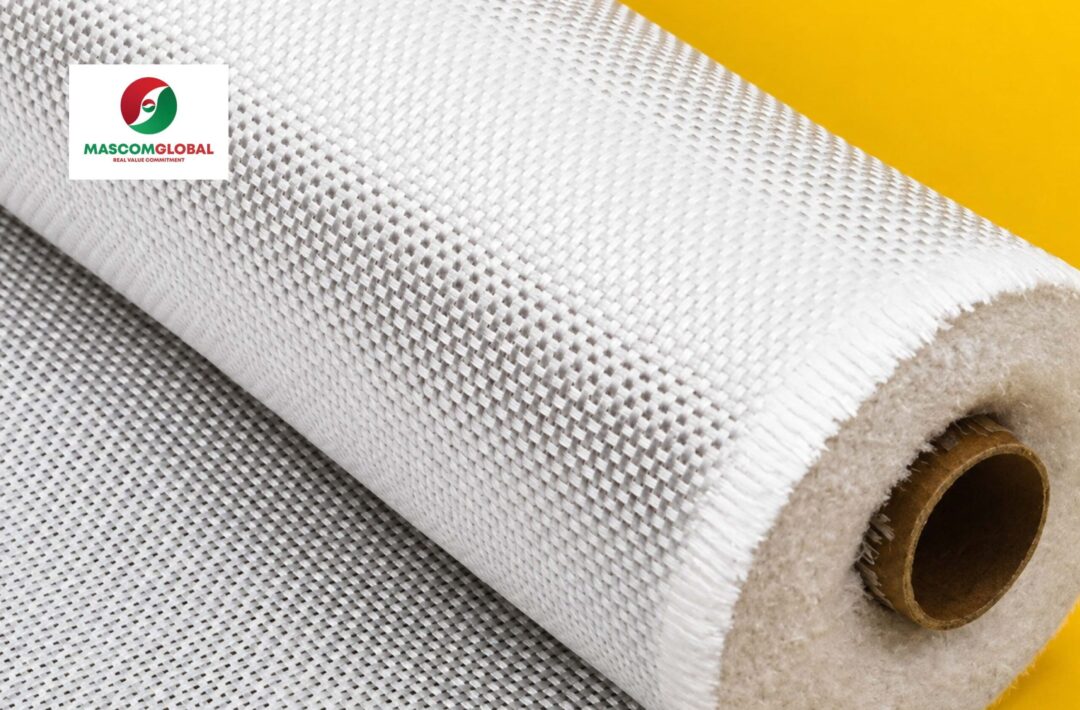
(Illustrative purpose only)
Depending on the application and technical requirements, GRP is produced through various specialized methods. Based on my industry experience, these three are the most prevalent:3.1. Hand Lay-up
This is the simplest and most manual process.- Step 1: A Gelcoat (surface layer) is applied to the mold.
- Step 2: Layers of glass fiber matting are placed into the mold.
- Step 3: Resin is poured, and rollers are used to impregnate the fibers and remove air bubbles.
- Applications: Boat hulls, small storage tanks, and architectural panels.
3.2. Filament Winding
A specialized technique for producing cylindrical or spherical objects.- Continuous glass fibers are pulled through a resin bath and then wound around a rotating mandrel at precisely programmed angles.
- Applications: High-pressure water pipes, large chemical storage tanks, and pressure vessels.
3.3. Pultrusion
A continuous manufacturing process for products with a constant cross-section.- Glass fibers are pulled through a resin bath and then through a heated steel die. The resin cures inside the die, and the finished profile is cut to the desired length.
- Applications: I-beams, cable trays, handrails, and grating bars.
-
Real-World Applications
- Oil & Gas / Chemical: Crude oil pipelines, acid storage tanks, and anti-slip floor gratings.
- Civil Construction: Translucent roofing, wall cladding, and urban drainage systems.
- Renewable Energy: Nacelles and massive rotor blades for wind turbines.
- Transportation: Automotive body panels, train interior components, and light aircraft fuselages.
-
Technical Considerations for Glass Reinforced Polymer (GRP)
- Thermal Expansion: GRP has a different coefficient of expansion than steel. This must be accounted for at joint interfaces in hybrid systems.
- UV Resistance: For outdoor applications, UV stabilizers must be added to the Gelcoat to prevent "fiber blooming" or embrittlement over time.
- Recyclability: As a thermoset composite, recycling GRP is a challenge. Current industry trends involve grinding GRP waste into filler additives for green concrete.