
1. Overview of Filler Masterbatch
Filler Masterbatch is a compound material composed of:- Inorganic fillers (most commonly Calcium Carbonate – CaCO₃)
- Carrier resin (PE, PP, or compatible polymers)
- Surface treatment additives to enhance dispersion and compatibility with the base resin
2. What Is a Nylon Bag? Technical Requirements in Production
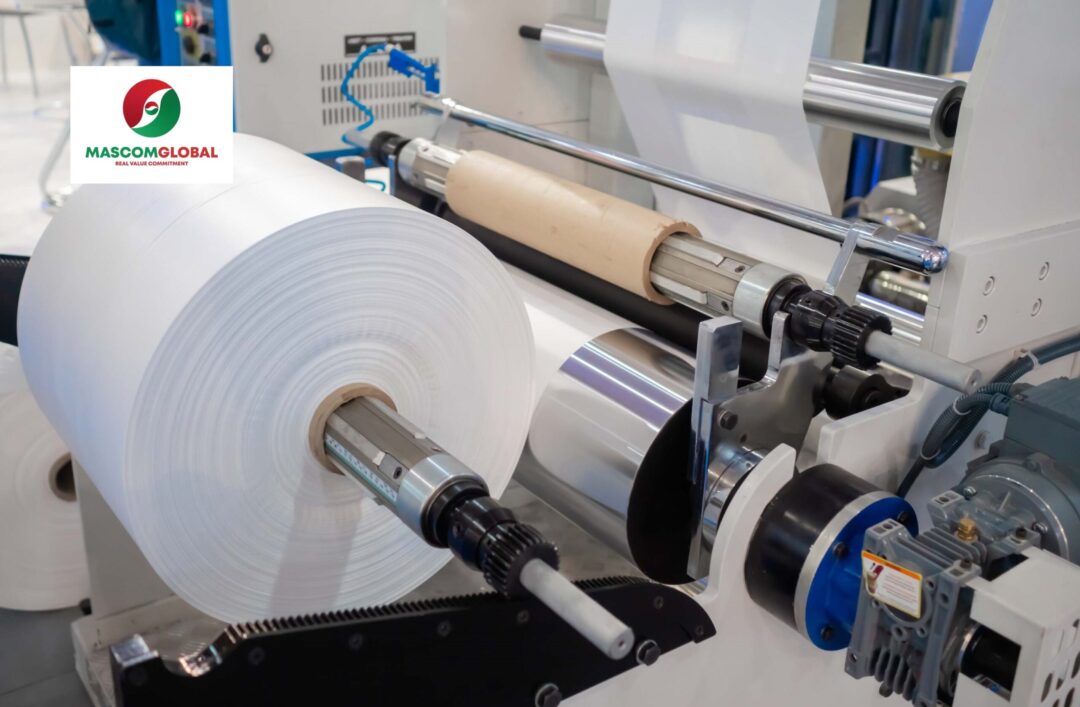 “Nylon bag” is a commonly used term for thin plastic bags made from:
- LDPE / LLDPE: soft, flexible bags with good elongation
- HDPE: stiffer bags with higher load-bearing capacity
Key technical requirements include:
- Adequate tensile and tear strength
- Good flexibility without brittleness
- Smooth surface suitable for printing
- Stable processing on blown film machines
- Competitive production cost
3. The Role of Filler Masterbatch in Nylon Bag Production
3.1. Raw Material Cost Reduction
This is the most significant and immediate benefit.- Filler Masterbatch is typically 30–50% cheaper than virgin resin
- Can replace 10–40% of virgin polymer in formulations
- Helps manufacturers stabilize product costs, especially during periods of resin price volatility
3.2. Improved Stiffness and Film Stability
The CaCO₃ content in Filler Masterbatch helps:- Increase film stiffness
- Reduce excessive softness and stickiness
- Improve film roll stability during processing
- HDPE bags
- Bags requiring good shape retention
- Printed bags that demand flat, smooth surfaces
3.3. Enhanced Processing Efficiency and Machine Speed
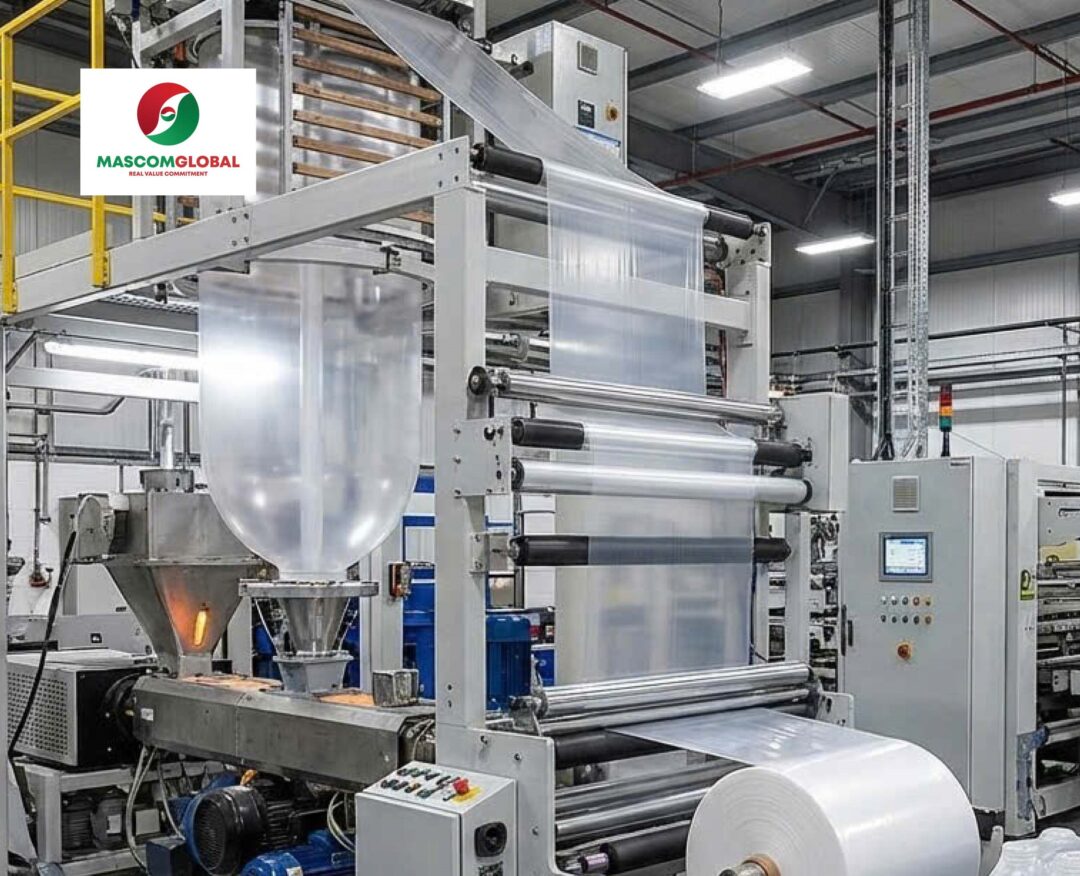
When high-quality Filler Masterbatch is used:- Film bubbles become more stable
- Reduced vibration and bubble collapse
- Less uncontrolled shrinkage during processing
3.4. Improved Printability
Filler Masterbatch with high whiteness and good dispersion:- Enhances opacity and coverage
- Improves ink adhesion and color sharpness
- Reduces ink consumption
- Logo-printed bags
- Promotional bags
- Export-oriented packaging
4. Specific Applications by Nylon Bag Type
4.1. HDPE Bags (Shopping Bags, T-shirt Bags)
- Typical Filler Masterbatch loading: 20–40%
- Requirements: stiffness, tear resistance, non-brittleness
- Fine CaCO₃ particle size (≤ 2.5 microns) with proper surface treatment is preferred
4.2. LDPE / LLDPE Bags (Flexible Packaging Bags)
- Typical loading: 5–20%
- Requires careful control to avoid loss of flexibility
- Suitable for garbage bags, food packaging, and general-purpose bags
4.3. Industrial and Thick Bags
- Goal: reduce cost while maintaining load-bearing performance
- Commonly combined with Filler Masterbatch and recycled resin
- Requires strict control of dispersion and tensile strength
5. Key Considerations When Using Filler Masterbatch
5.1. CaCO₃ Quality
- Finer particle size delivers better performance
- High whiteness and low impurity levels are essential
- Uniform particle distribution is critical
- Brittle films
- Rough surfaces
- Film breakage during extrusion
5.2. Carrier Resin and Surface Treatment
- Carrier resin must be compatible with LDPE/HDPE
- Proper surface treatment (e.g., stearic acid coating) is essential
- Prevents phase separation and white speck formation
5.3. Proper Dosage Control
- Avoid excessively high filler content without thorough testing
- Trial runs are required for each machine and product type
- Every factory has its own optimal formulation
6. Trends in Filler Masterbatch Usage for Nylon Bag Production
- Growing preference for high-quality Filler Masterbatch rather than low-loading solutions
- Increasing combination of Filler Masterbatch with recycled plastics
- Development of environmentally friendly filler solutions
- Compliance with export standards such as REACH, RoHS, and others
Conclusion
Filler Masterbatch is not merely a cost-reduction material, but a critical technical tool that helps nylon bag manufacturers improve processing efficiency, stabilize product quality, and enhance market competitiveness. To achieve optimal results, manufacturers should:- Select reliable Filler Masterbatch suppliers
- Strictly control CaCO₃ quality and formulation design
- Conduct thorough production trials for each product line