
Understanding the Chemistry of CPVC for potable water
CPVC for potable water is a unique thermoplastic produced by the post-chlorination of polyvinyl chloride (PVC) resin. While they share a common lineage, the extra chlorine atoms in the CPVC molecular structure provide a significant boost in performance. This chemical modification allows CPVC to handle temperatures up to 200°F (93°C) , far exceeding the limits of standard PVC. In the context of potable water, this stability is paramount. The material does not react with the oxygen dissolved in water, nor is it susceptible to the oxidative degradation that often plagues other plastics like PEX. For the end-user, this means the water reaching the tap remains as pure as it was at the source, free from plastic-related tastes or odors.Why CPVC for potable water is Superior for Drinking Water Systems?
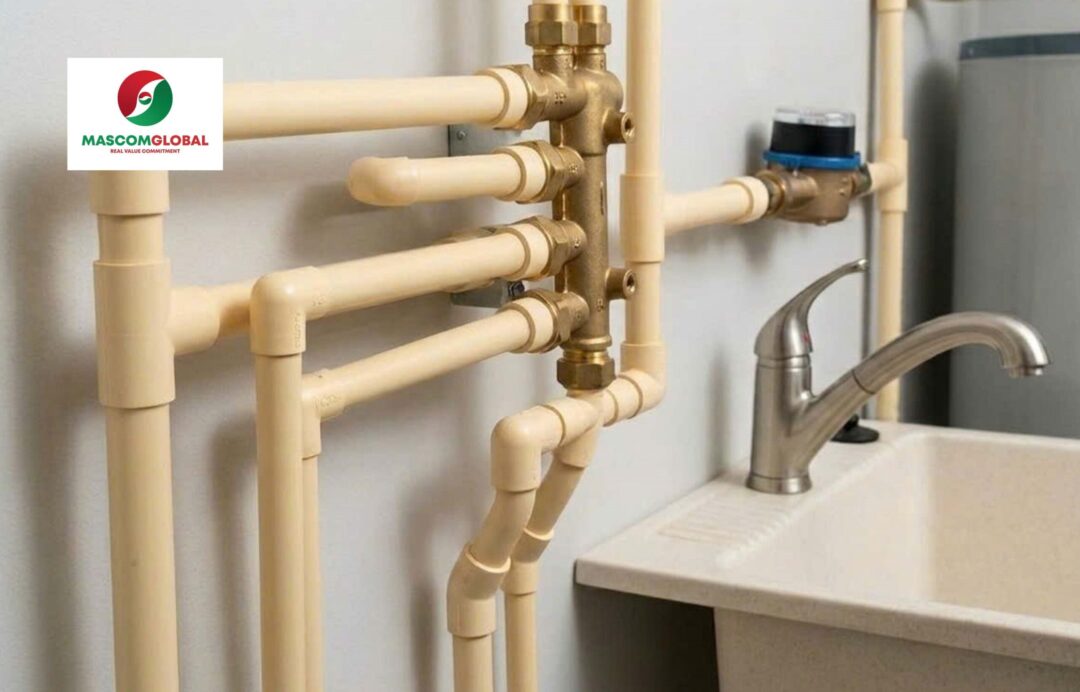
(Illustrative purposes only)
- Unmatched Corrosion Resistance
- Superior Biofilm Resistance
- Chemical Stability Against Disinfectants
Critical Safety Certifications to Look For
To ensure that CPVC for potable water products are safe for human consumption, they must undergo rigorous testing by independent organizations. If you are sourcing CPVC for potable water, look for the following marks: NSF/ANSI 61: The Health Standard The NSF/ANSI 61 certification is the most vital. It evaluates the health effects of drinking water system components. To pass, CPVC pipes are submerged in pH-controlled water for extended periods to ensure that any leaching of chemicals (like lead or tin stabilizers) remains well below the strict Maximum Allowable Levels (MAL). NSF/ANSI 14: Quality and Performance While Standard 61 covers health, NSF/ANSI 14 ensures the pipe is built to last. It verifies that the manufacturer follows strict quality control processes and that the pipe meets the physical requirements for pressure and temperature resistance defined by ASTM D2846. WRAS (Water Regulations Advisory Scheme) For projects following British or international standards, WRAS approval is essential. It confirms that the non-metallic material does not contaminate the water or promote the growth of microorganisms. Kiwa and CSTB In Europe, certifications from Kiwa (Netherlands) or CSTB (France) are often required. These certifications mirror the strictness of NSF, ensuring that CPVC meets regional safety and durability codes.Installation Safety and Environmental Impact
(Illustrative purposes only)
The safety of a potable water system also depends on how it is joined. CPVC utilizes a solvent cement welding process. This creates a chemical bond that is stronger than the pipe itself. Unlike soldering copper, this process requires no heat or open flames, eliminating fire risks on the job site. Furthermore, CPVC's low thermal conductivity reduces energy loss in hot water lines, contributing to the building's overall LEED or green building rating.