
What Is Filler Masterbatch ?
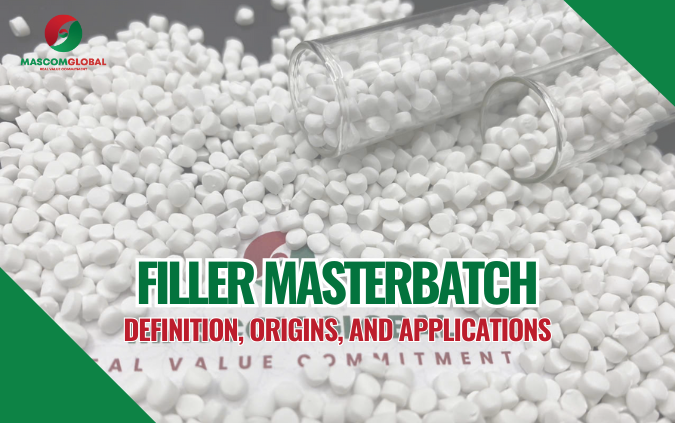
Filler masterbatch is a concentrated mixture of filler materials combined with a polymer matrix, usually in the form of pellets or granules. These are added to plastic products during the manufacturing process. The filler refers to inexpensive materials—such as calcium carbonate, talc, or barium sulfate—that are combined with more costly polymers like polyethylene or polypropylene. The primary purpose of filler masterbatch is to reduce production costs while maintaining or even improving the physical properties of the final plastic product. Besides cutting costs, filler masterbatch can enhance properties such as rigidity, thermal resistance, and impact strength, depending on the type of filler used.The Origins of Filler Masterbatch
The development of filler masterbatch stems from the need for cost-effective and sustainable plastic production. Initially, plastic manufacturers relied solely on pure polymer resins, resulting in high production costs, especially in high-volume sectors like packaging. While using fillers in plastics was not a new concept, early methods often led to uneven dispersion and inconsistent product quality. The invention of filler masterbatch revolutionized the industry by providing pre-compounded blends of fillers and polymers, ensuring uniform distribution and superior product consistency. This breakthrough enabled manufacturers to incorporate large amounts of filler without sacrificing the mechanical or aesthetic properties of plastic products. Today, filler masterbatch is an essential material across various industries, from packaging to automotive, helping meet production demands affordably.What are filler masterbatch's applications in the plastic industry?
Thanks to its versatility, this functional additive finds applications across many industries. Its ability to reduce costs, improve product properties, and optimize production makes it indispensable in modern manufacturing.